Dual Diagnosis
june 5, 2026 - june 7, 2026
Greensboro, nc
-
In collaboration with Wake Forest University Health Services, the Community Health Alliance for Men’s Health Promotion (CHAMP), and the DAWN Alzheimer’s Research Project, JTR Presents presents a hybrid exhibition as part of the Art for the Heart and Mind event in Greensboro, North Carolina.
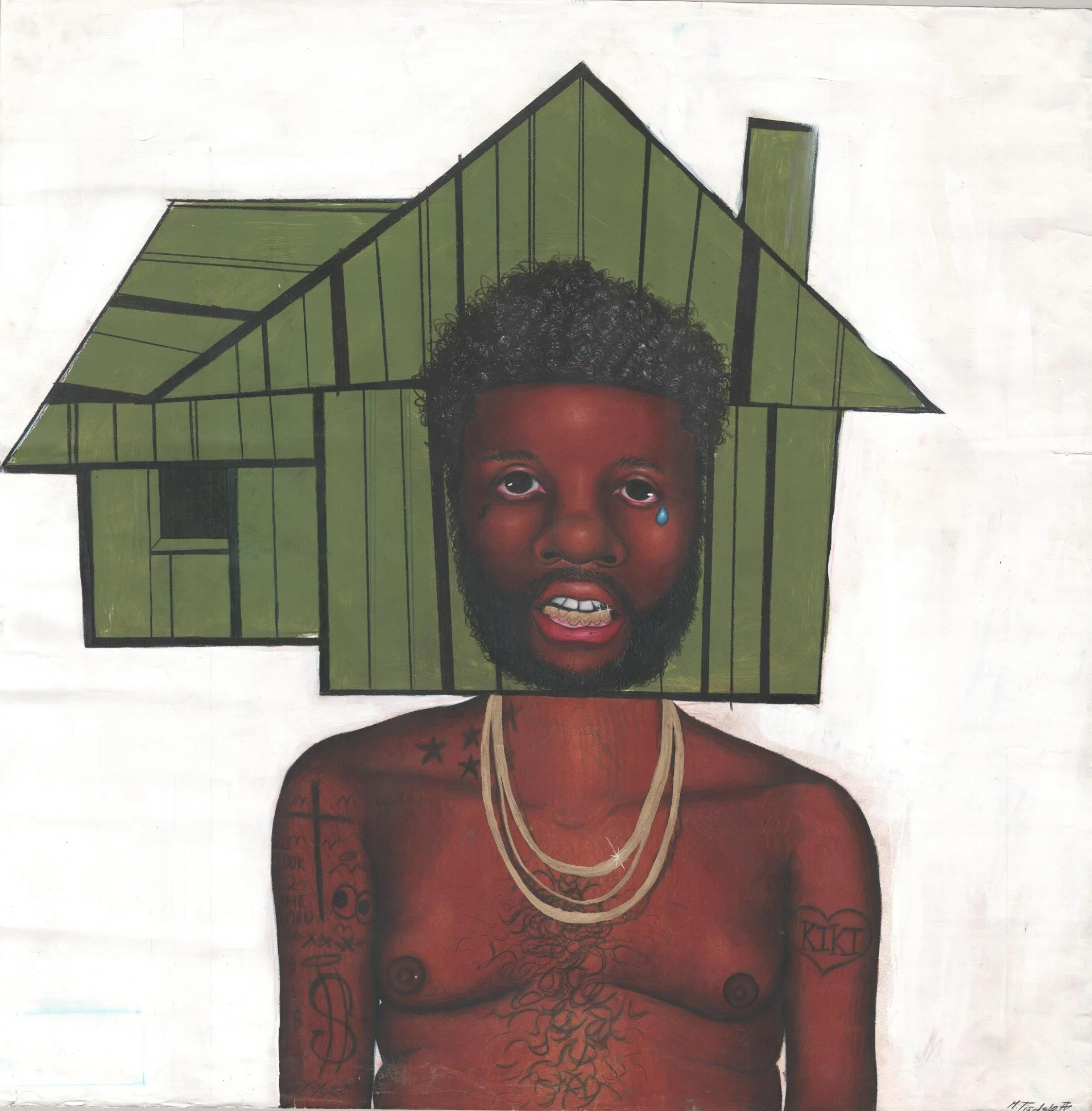
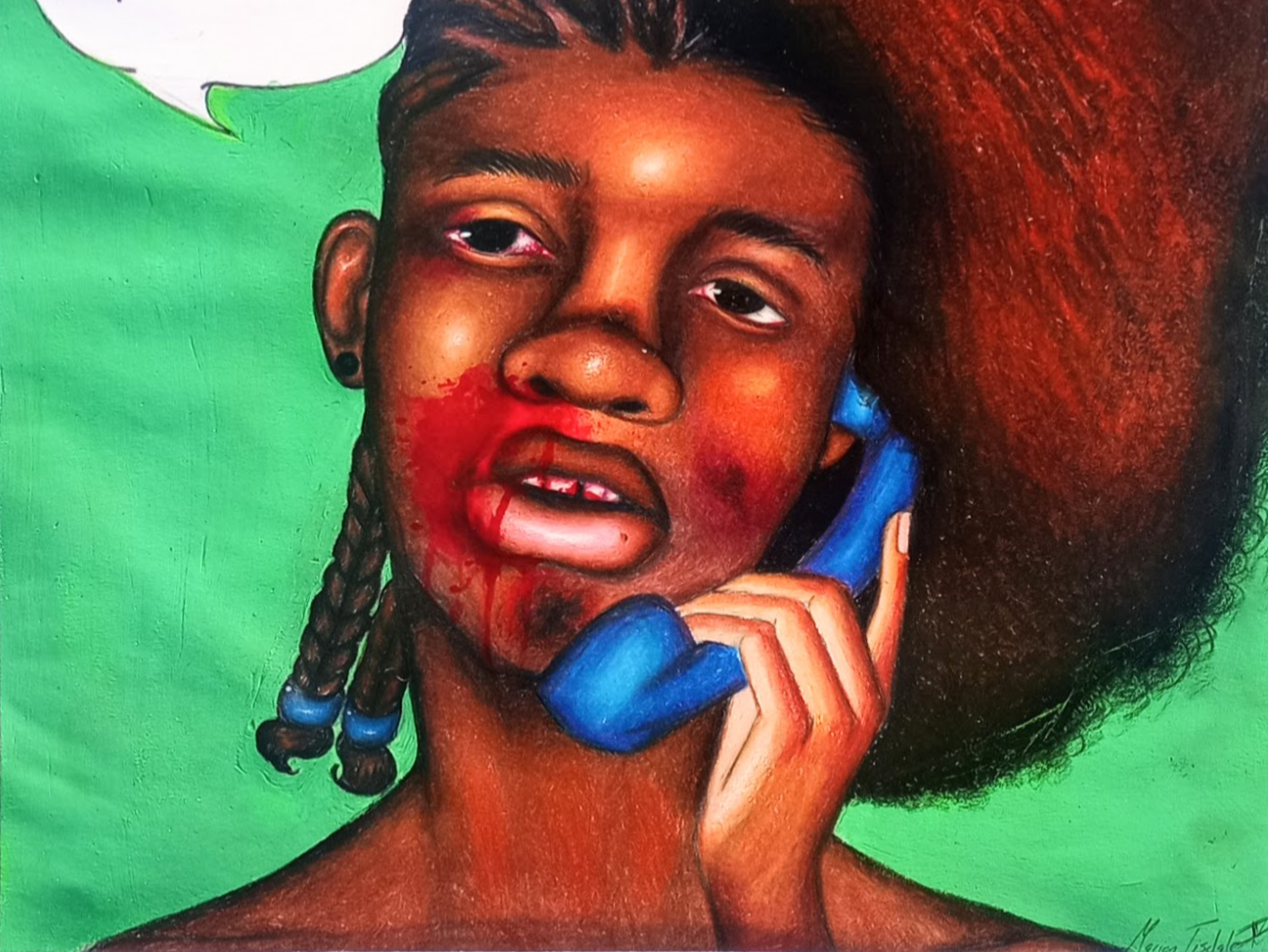
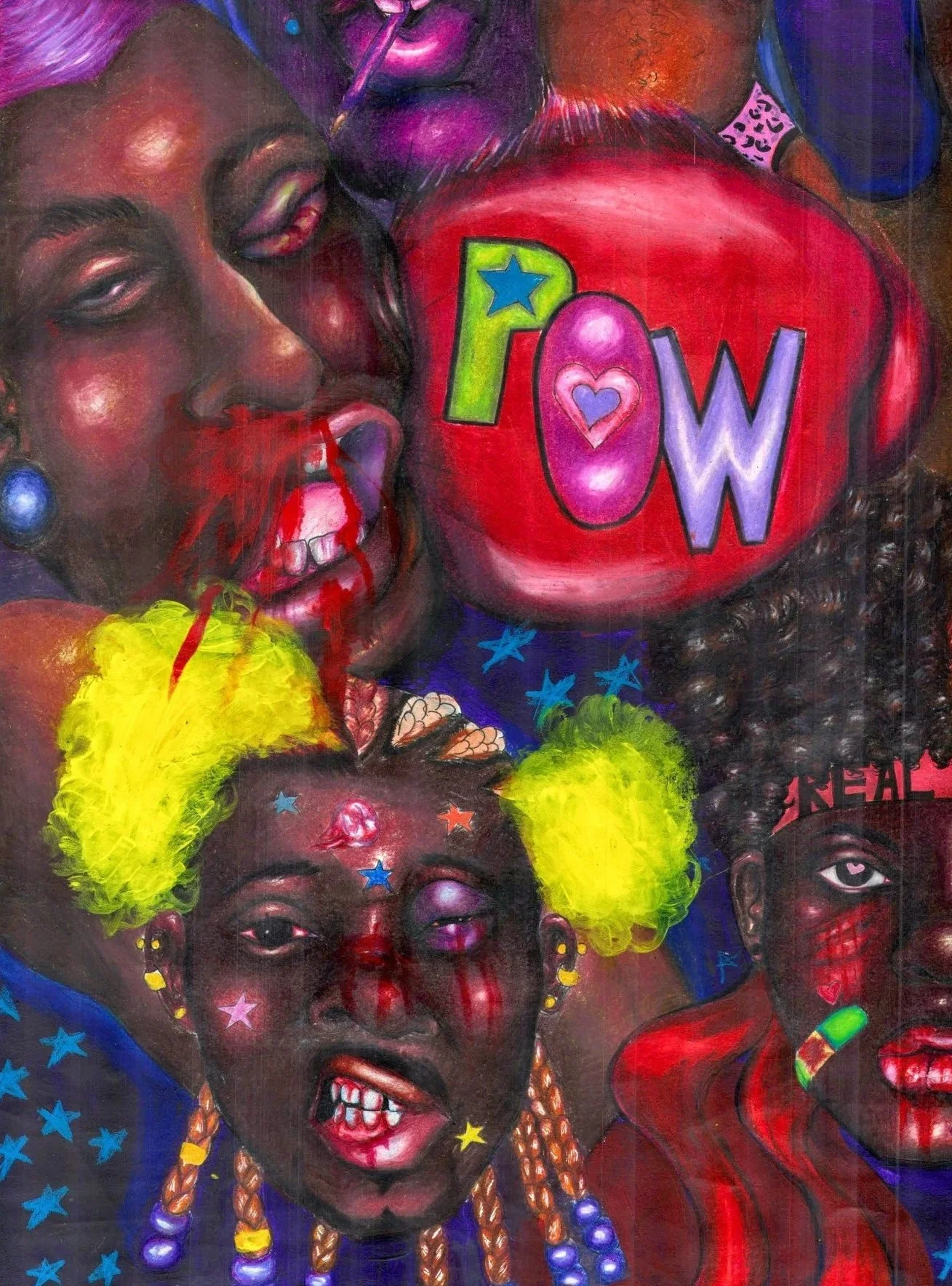
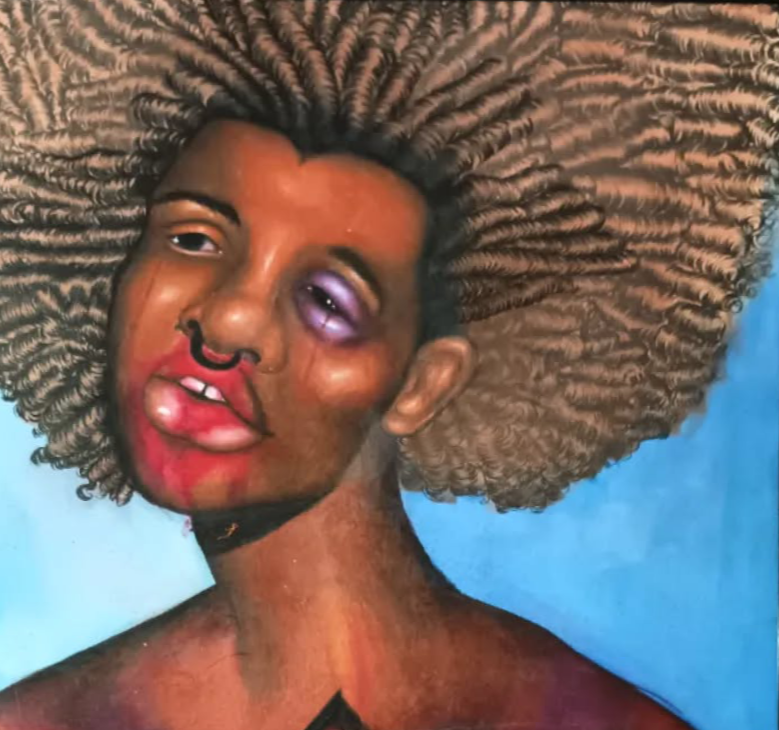
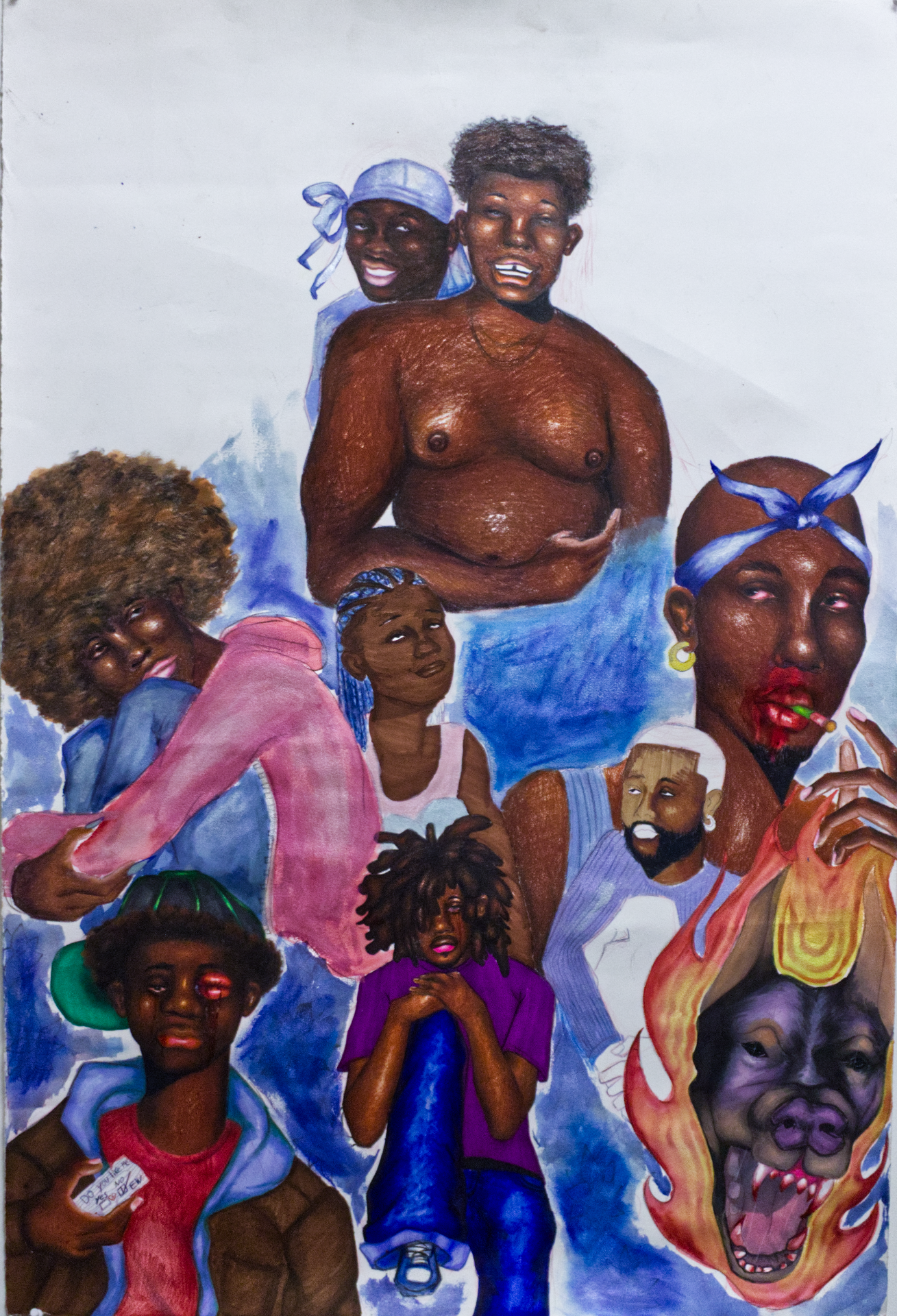
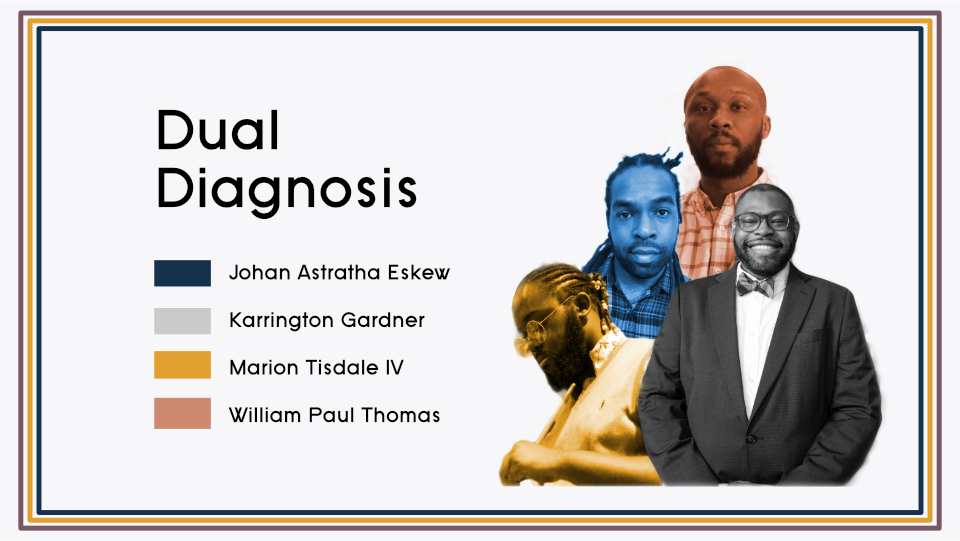
Dual Diagnosis: Overlapping Conditions of Care, Identity, and Place examines mental health through the intersecting pressures experienced by Black men. Featuring work by Johan Astratha Eskew, Karrington Gardner, Marion Tisdale IV, and William Paul Thomas, the exhibition brings together four North Carolina–based artists whose practices engage themes of healing, spatial inequity, masculine identity, and cultural stigma.
Through abstraction, portraiture, and spatial inquiry, Dual Diagnosis challenges the notion of mental health as an individual condition, instead framing it as shaped by environment, history, and community. The exhibition invites audiences to reconsider how care, identity, and place overlap to influence well-being and lived experience.
-
Dual Diagnosis: Overlapping Conditions of Care, Identity, and Place
When I was invited to curate this exhibition in collaboration with Wake Forest School of Medicine, CHAMP and the DAWN Alzheimer’s Research Project, I began by thinking about the artists whose work had already moved me—artists who were, in different ways, already engaging the question of mental health through lived experience, vulnerability, and space.
Across their practices, I recognized two inquiries: “How do internal experiences of mental health—trauma, silence, identity—interact with the external conditions that shape them, including culture, masculinity, and access to care?” and “Howe do external factors feed into these internalized experiences?”
Dual Diagnosis is grounded in the understanding that mental health for Black men cannot be reduced to individual psychology alone. It is shaped through intersecting forces—cultural expectations, spatial realities, and relational environments—that often discourage vulnerability while requiring resilience.
Marion Tisdale IV’s work confronts the cultural dimensions of this condition, particularly the stigma surrounding queer and trans men of color. His practice challenges rigid definitions of masculinity, offering instead a reimagined framework where vulnerability, gentleness, and care are not weaknesses, but essential components of self-acceptance. In doing so, his work creates space for a more expansive understanding of identity—one that allows for emotional expression where it has historically been suppressed.
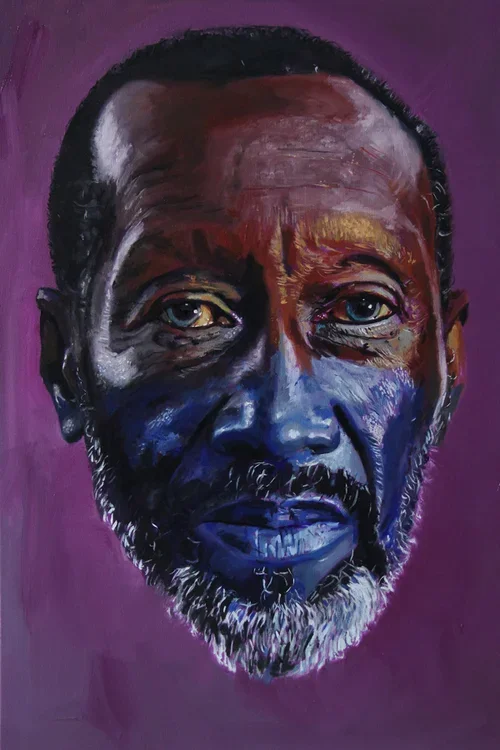
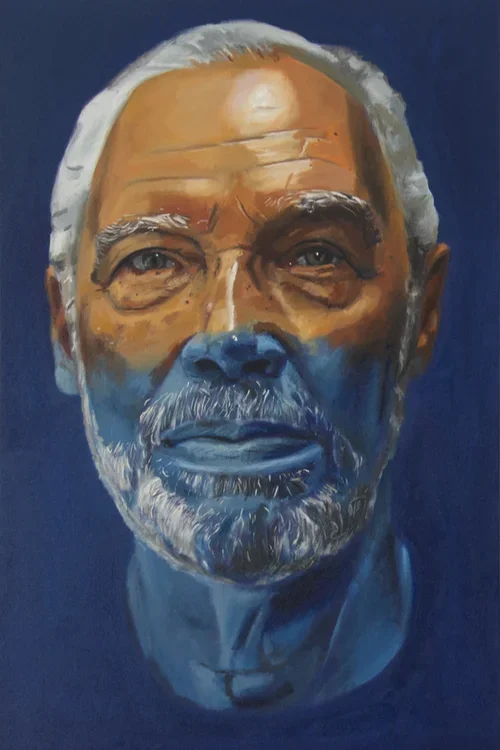
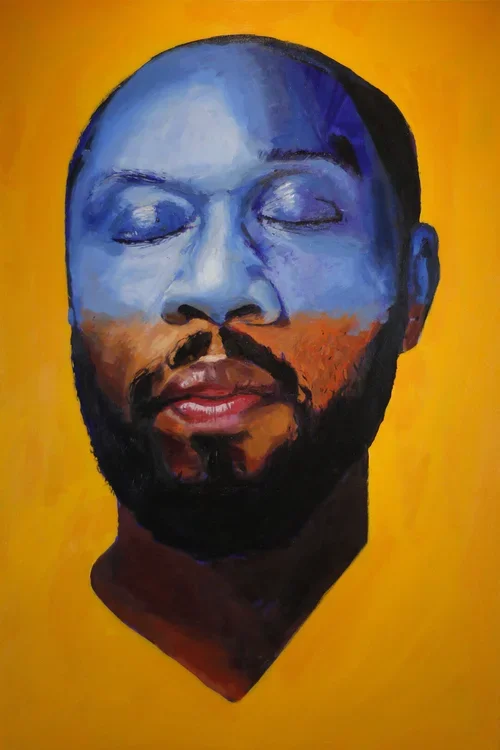
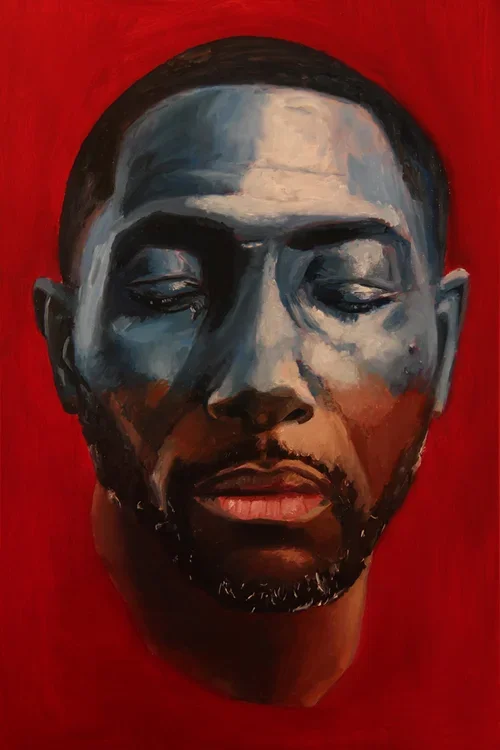
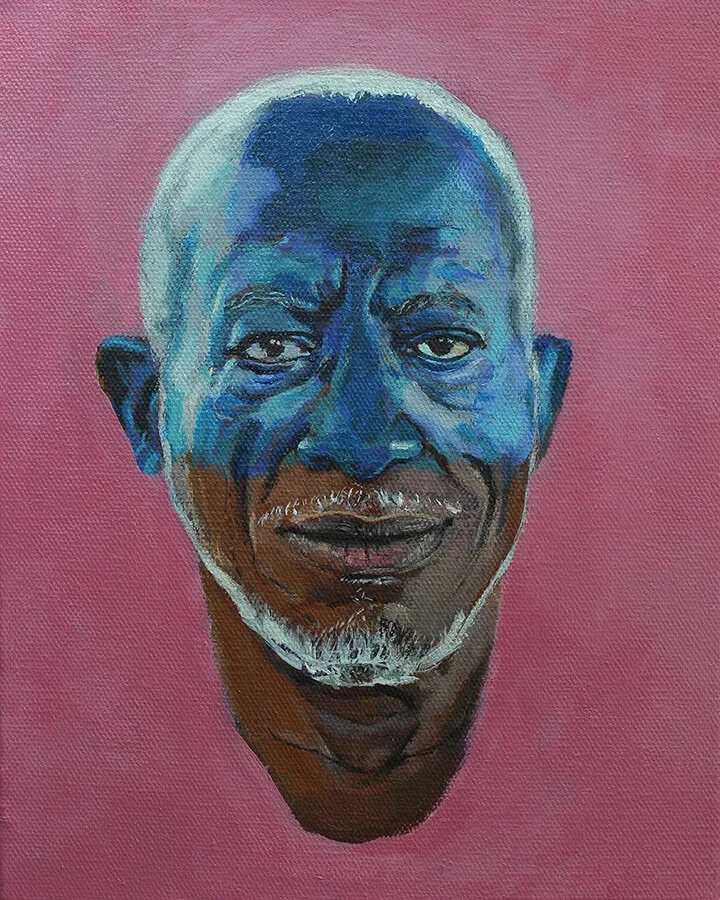
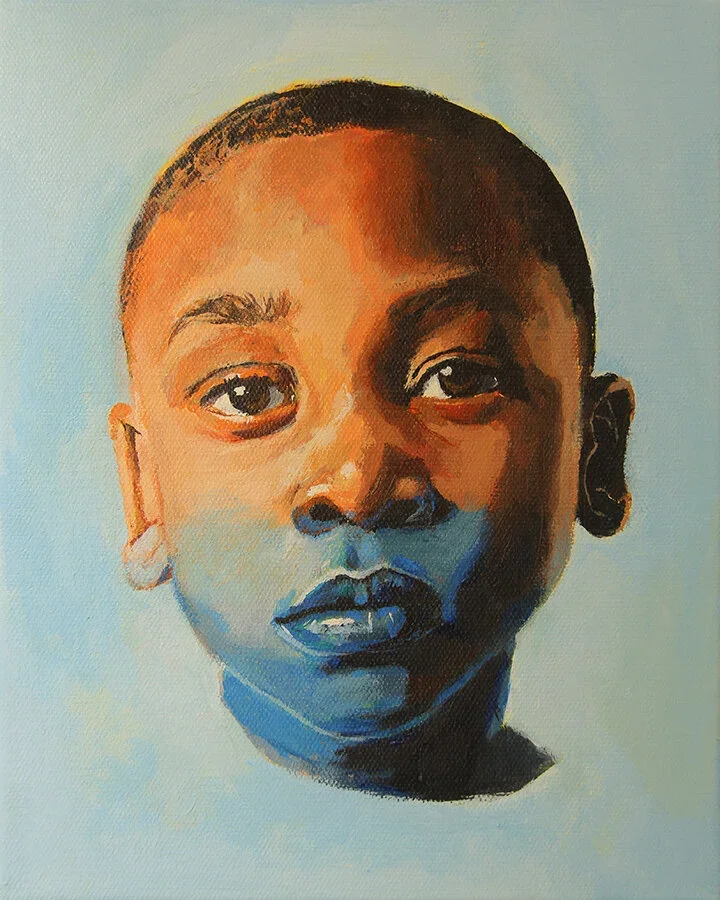
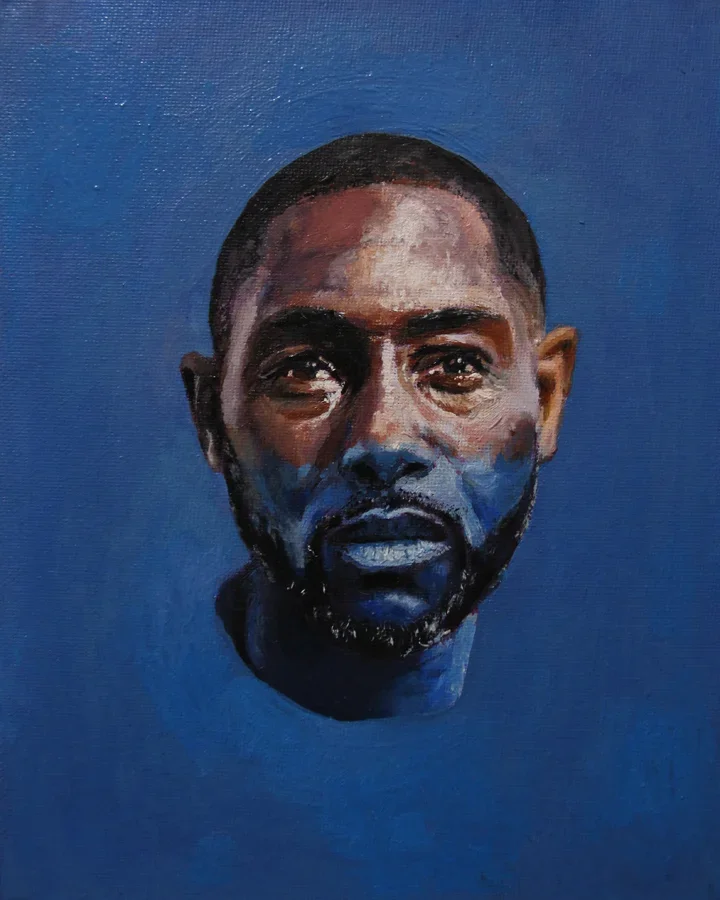
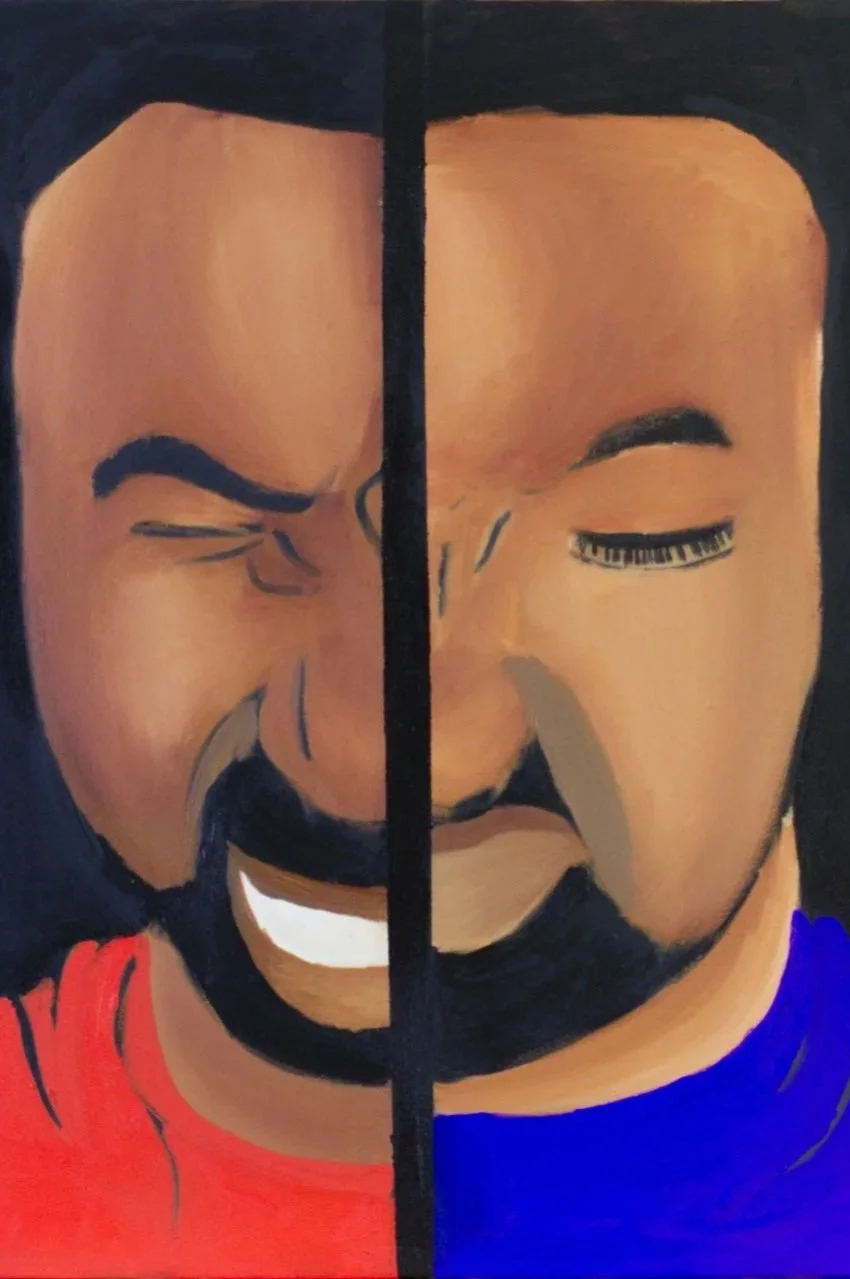
William Paul Thomas carries this conversation inward. His Cyanosis series draws from the medical condition in which the body turns blue when deprived of oxygen, using it as a metaphor for emotional suffocation. Through portraits of sons, fathers, friends, and lovers, Thomas visualizes the cost of silence—how unspoken trauma and withheld vulnerability manifest beneath the surface. His work asks what it means to survive while withholding the very expression that sustains us.
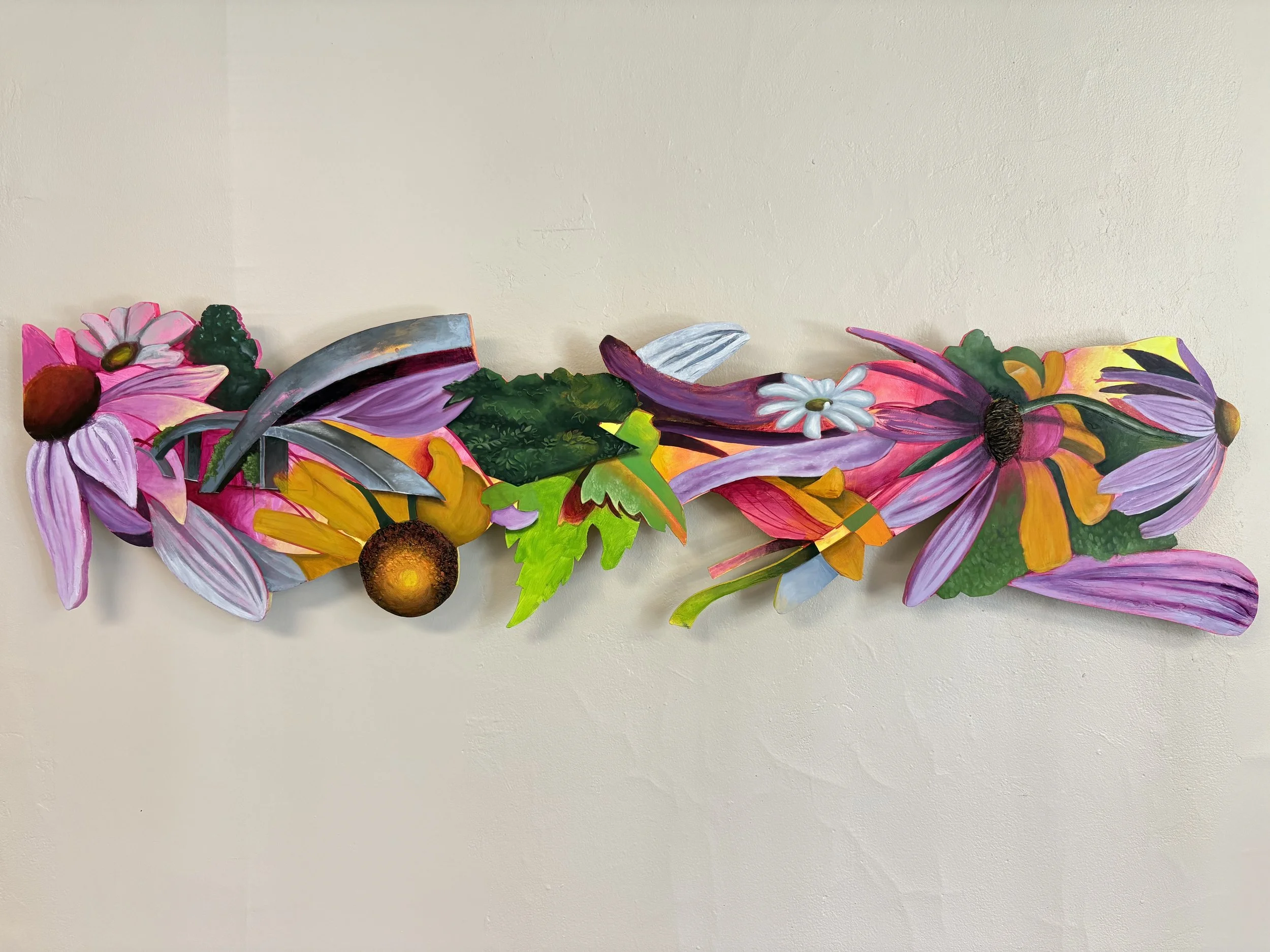
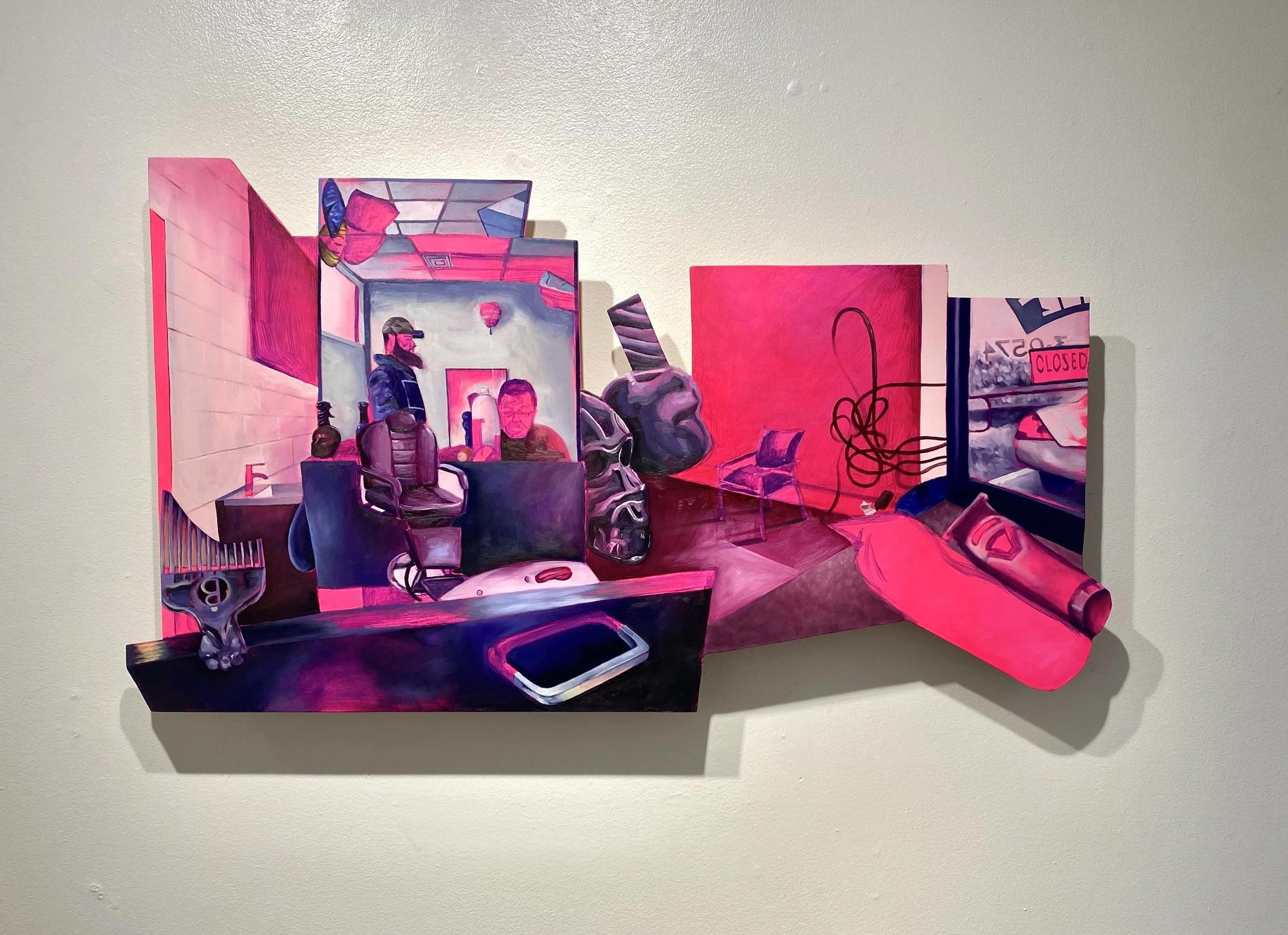
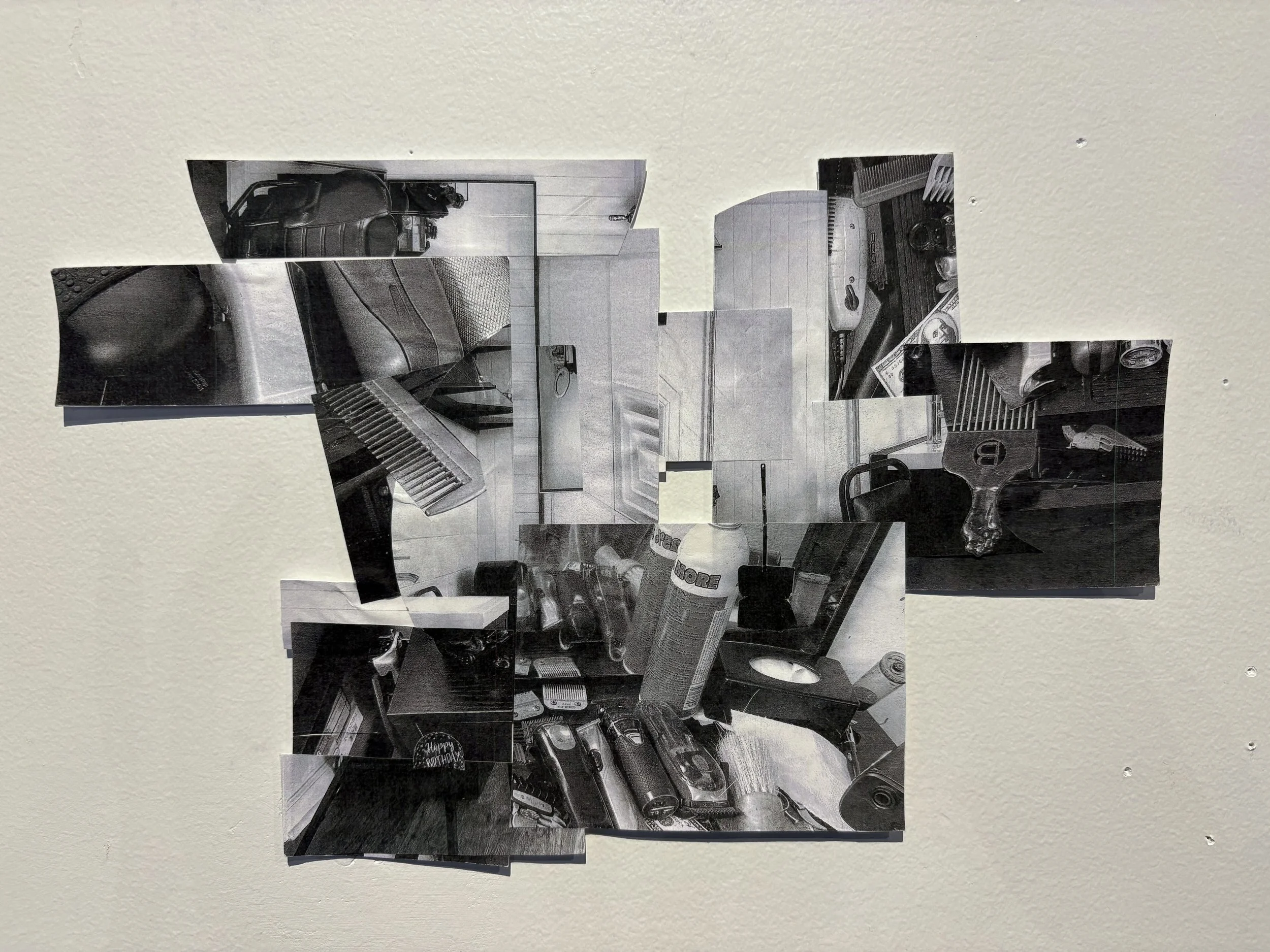
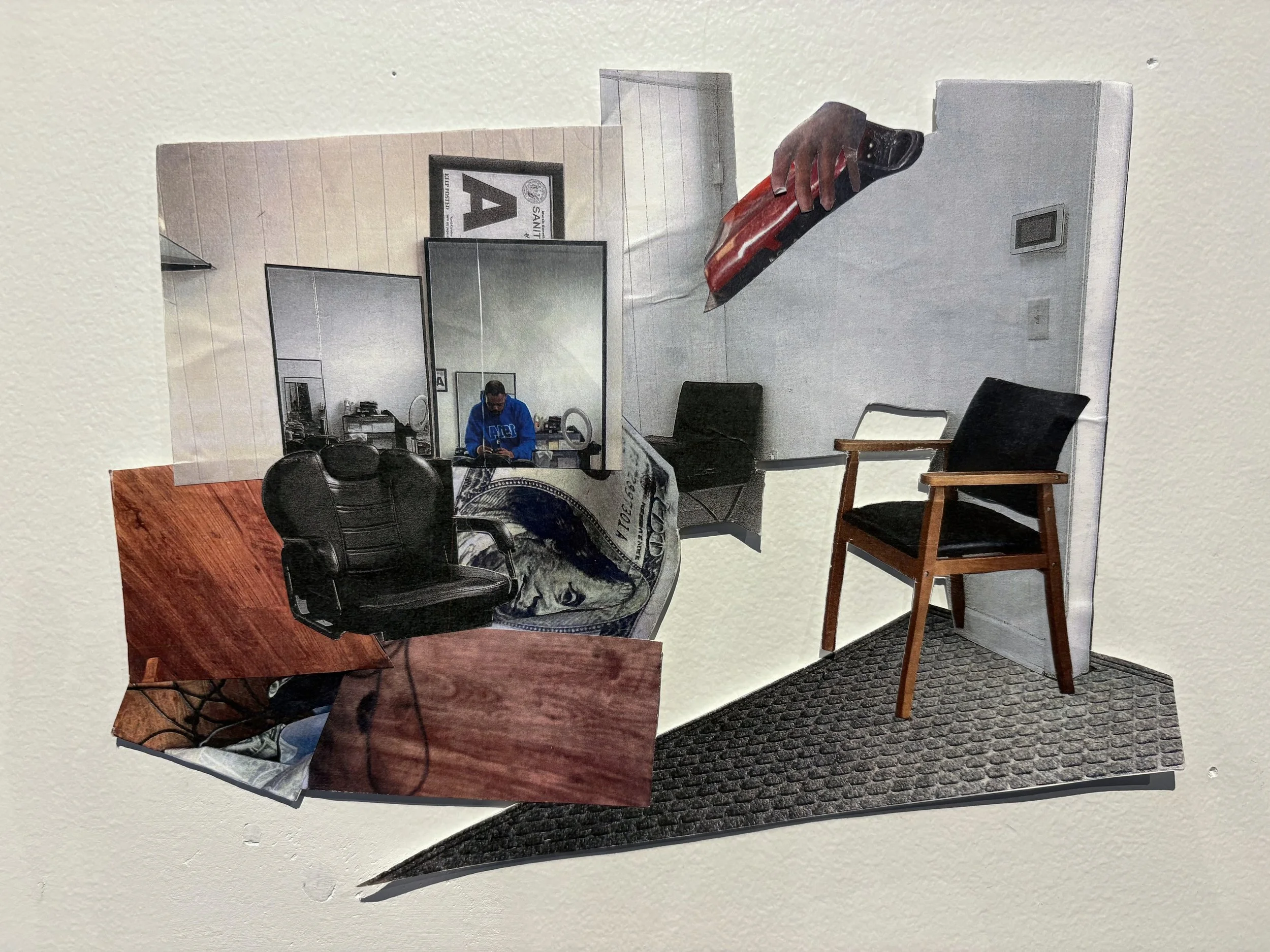
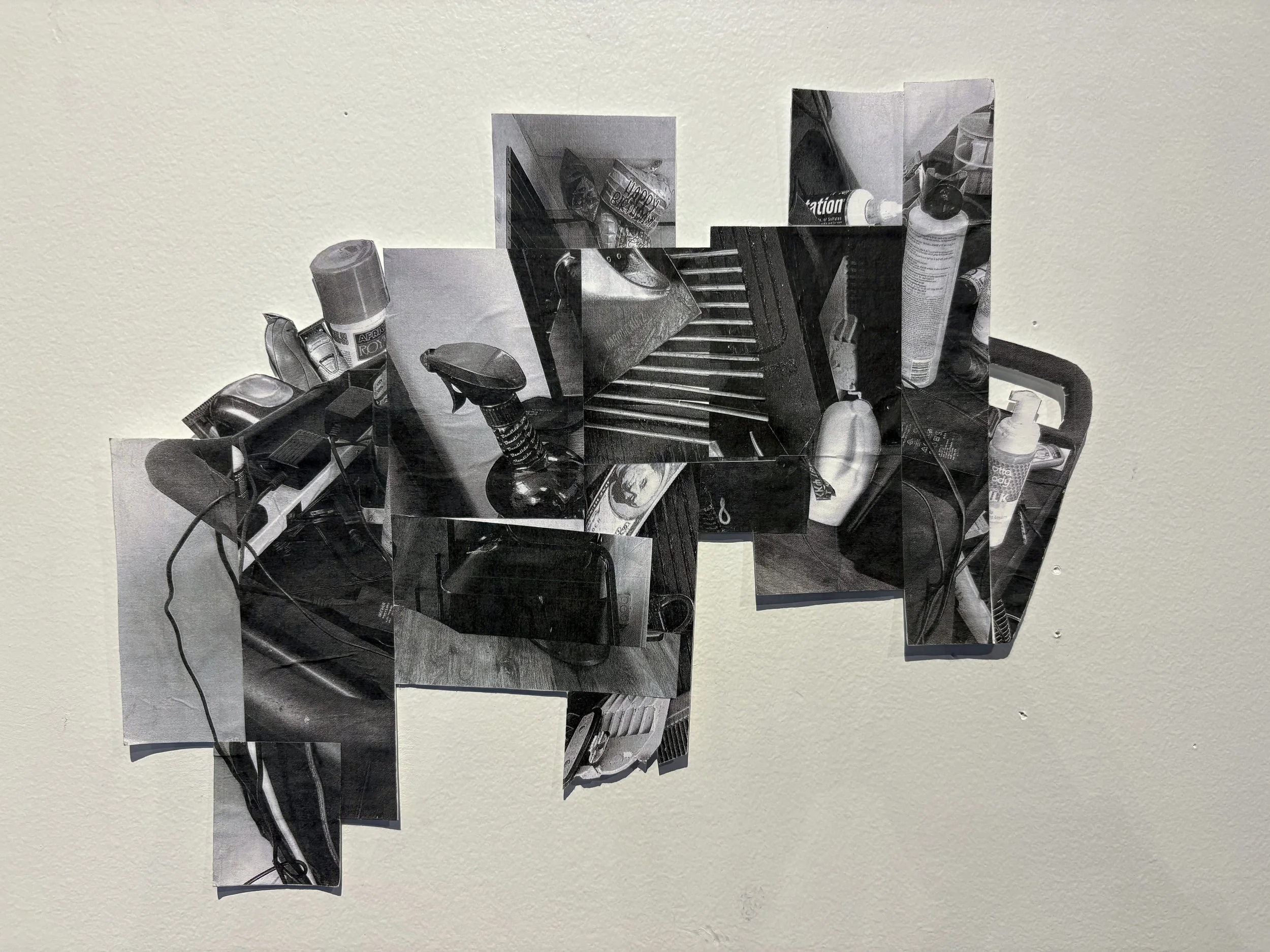
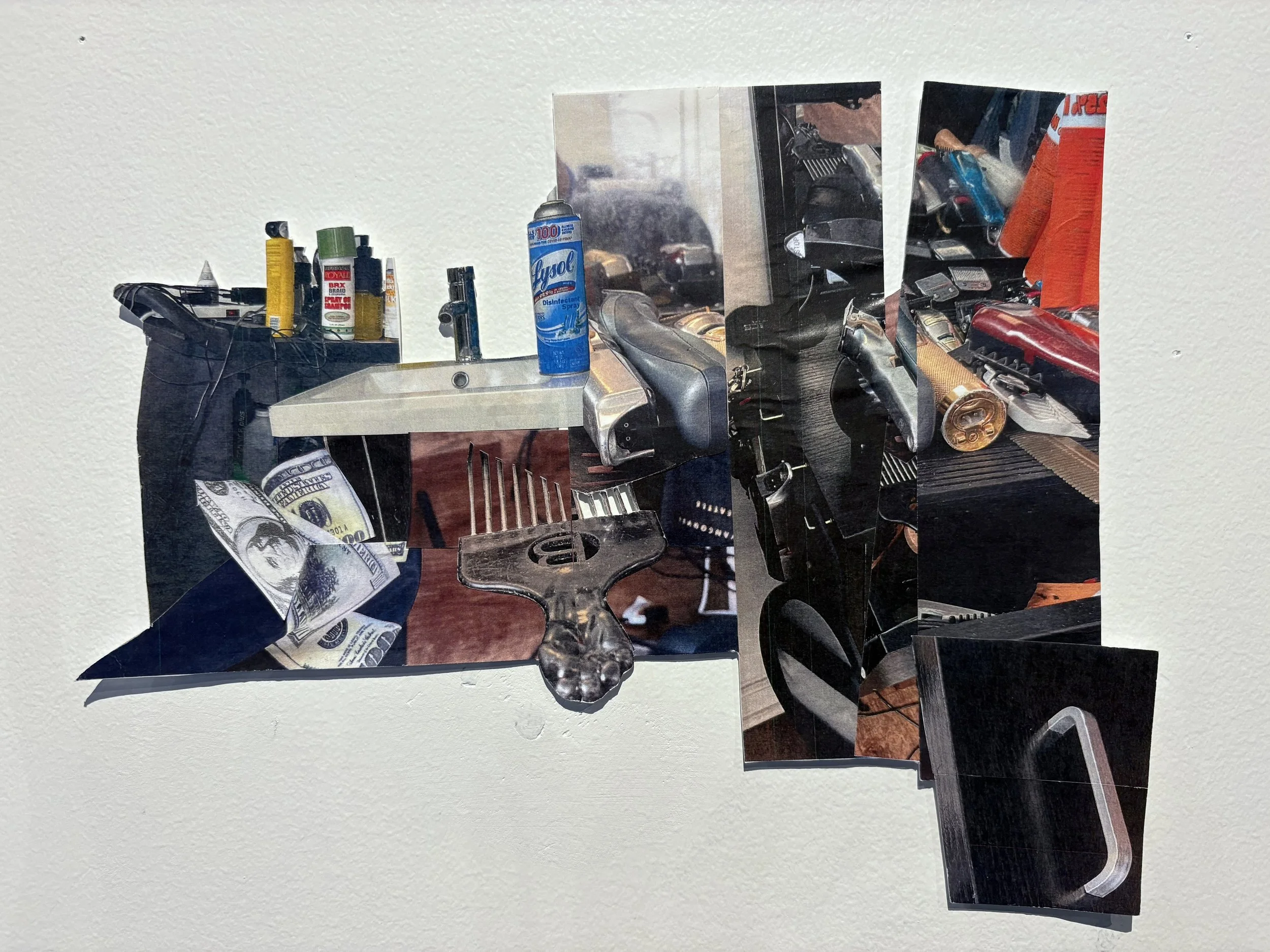
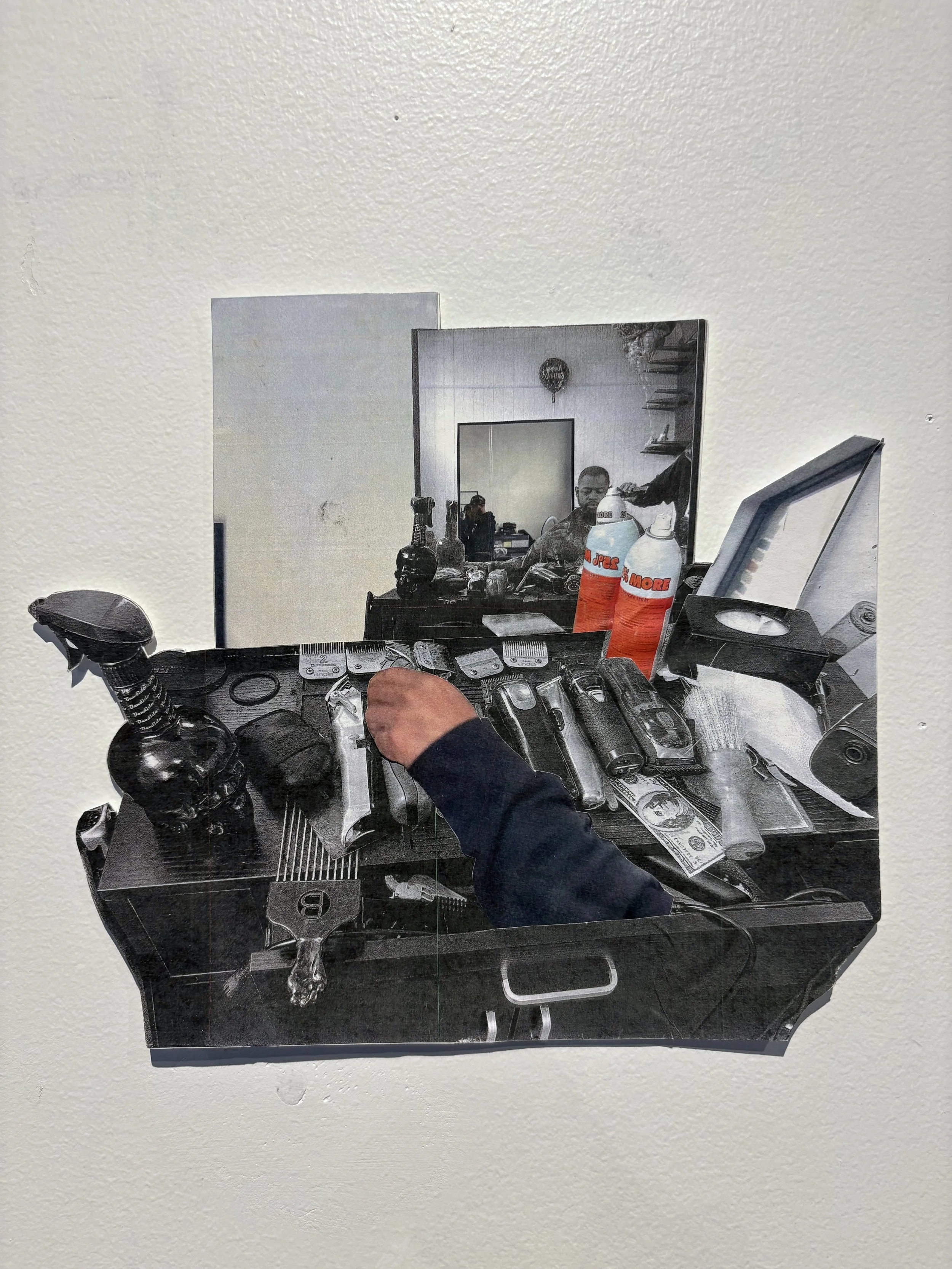
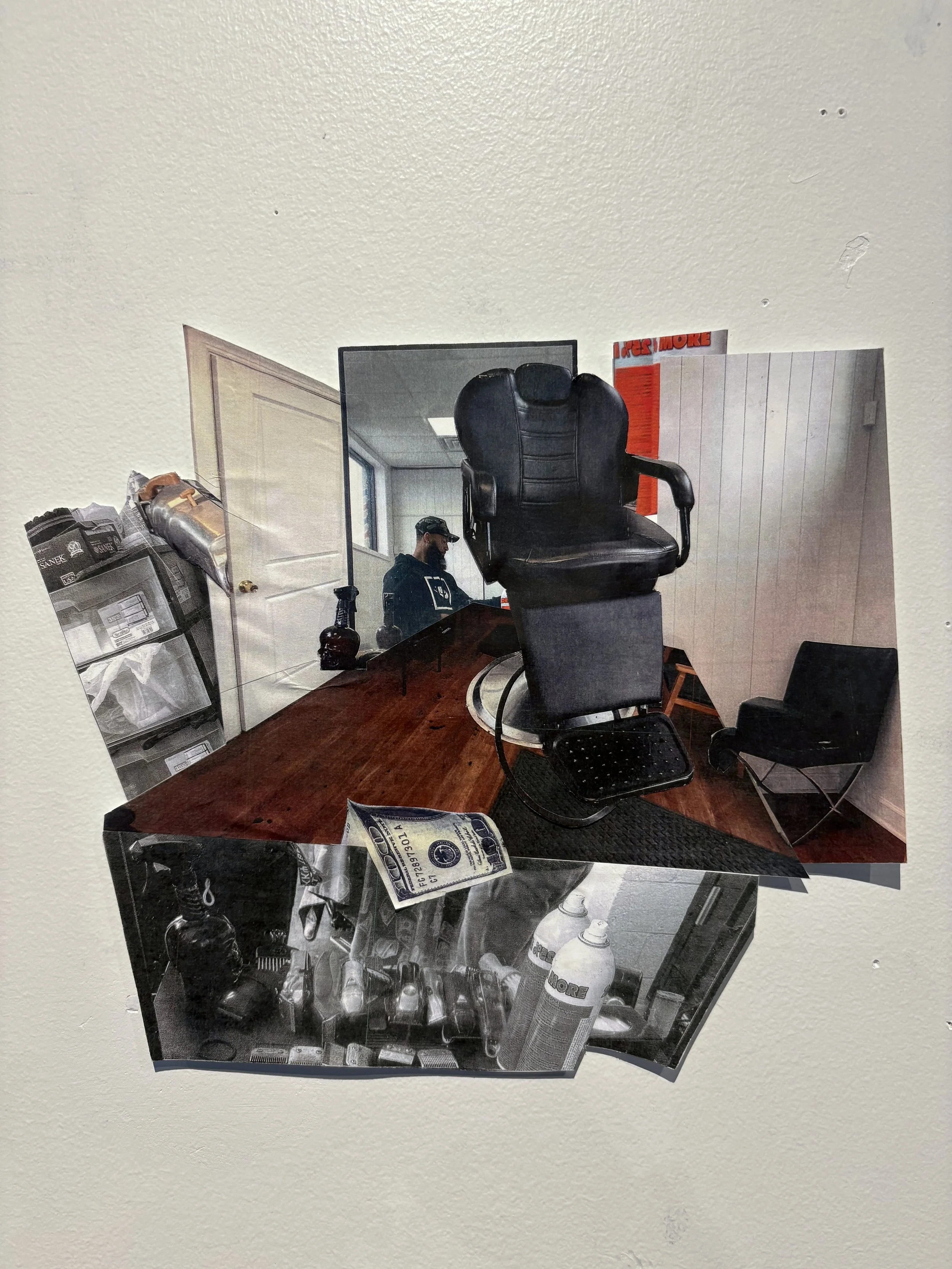
Karrington Gardner extends this inquiry into space. His work examines where vulnerability can exist, and under what conditions it becomes possible. Through his Barber series, Gardner reimagines the barbershop—not simply as a physical location, but as a cultural environment where Black men have historically found community, dialogue, and informal care. His collaged landscapes reconstruct these spaces as sites of protection, trust, and emotional exchange.
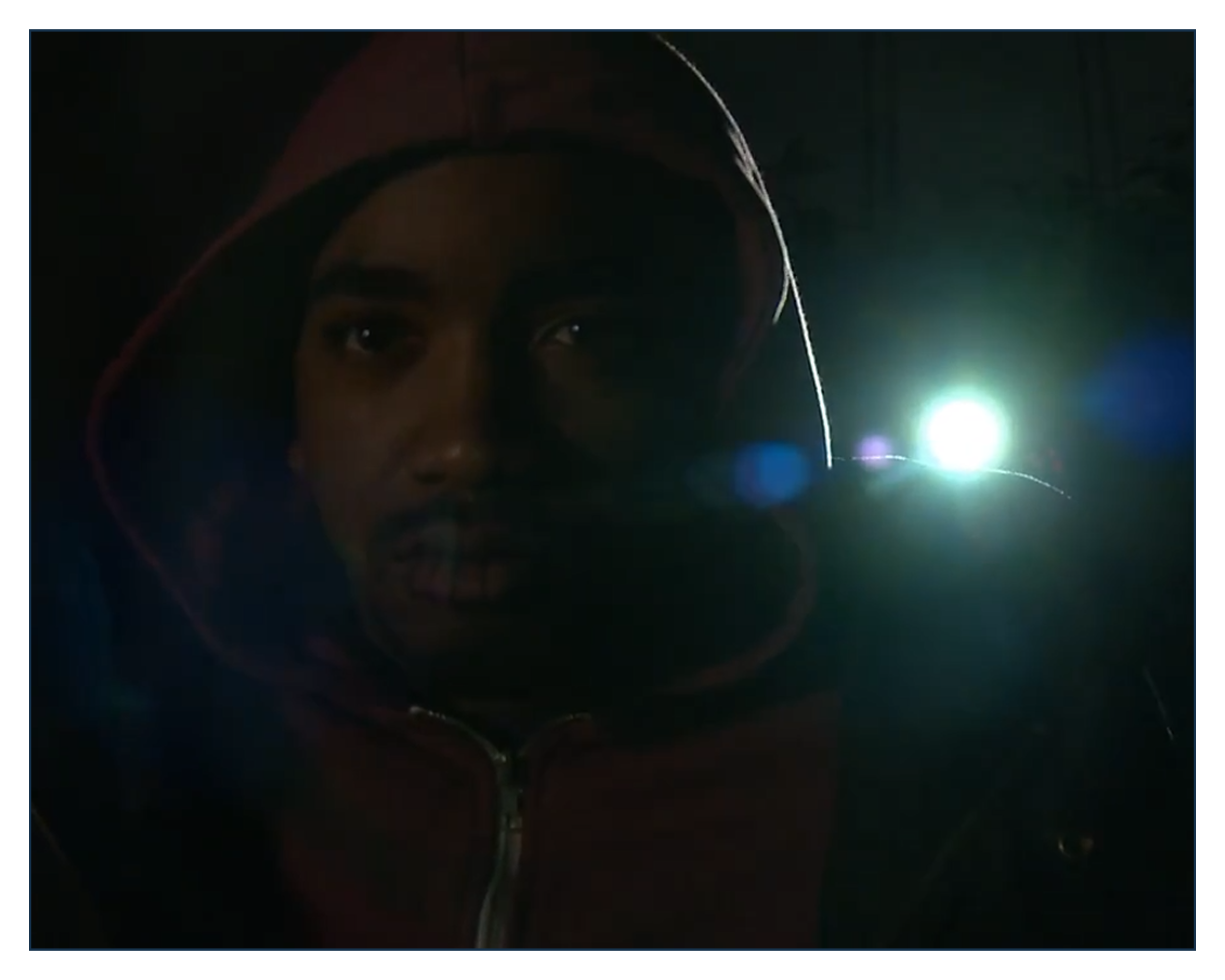
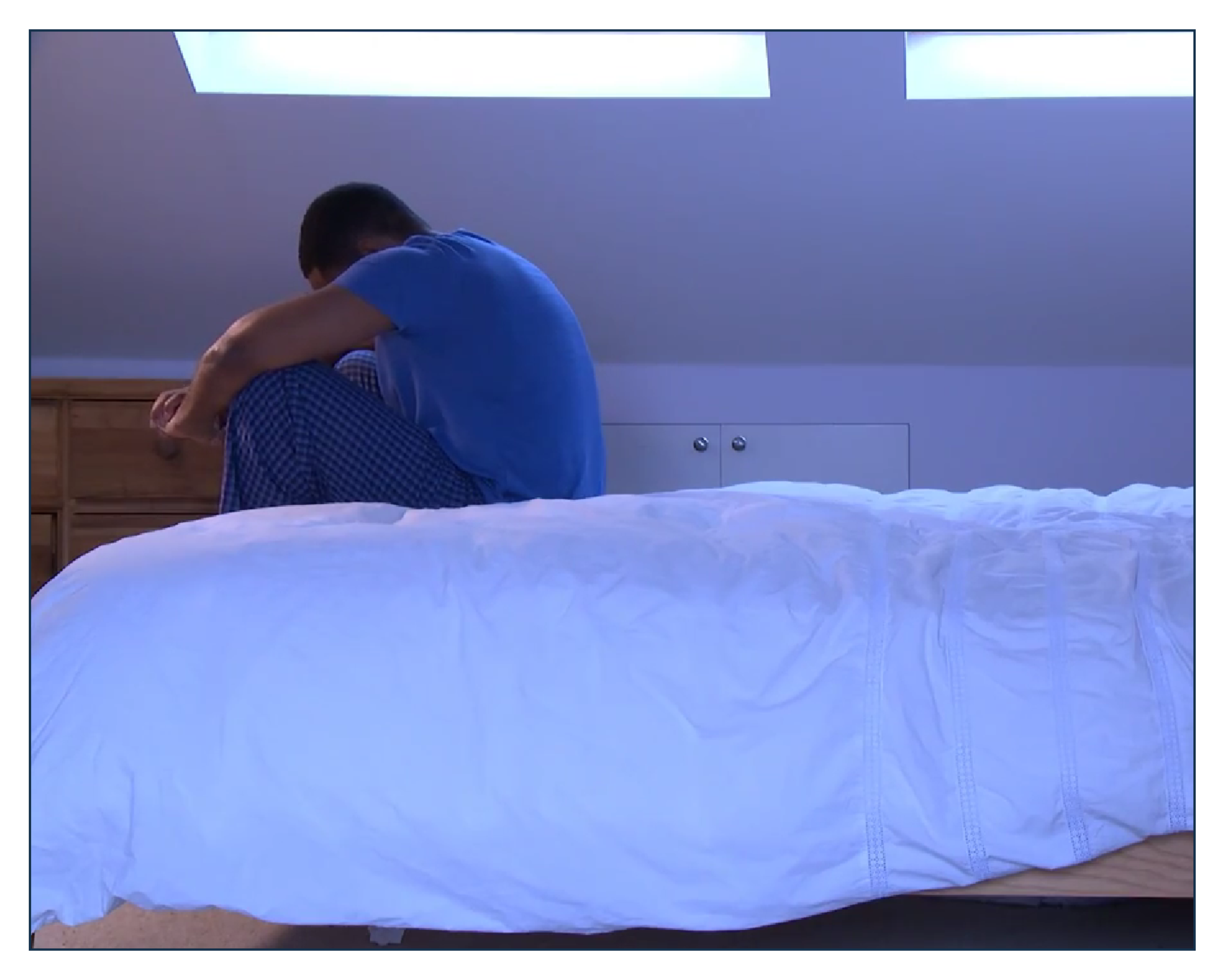
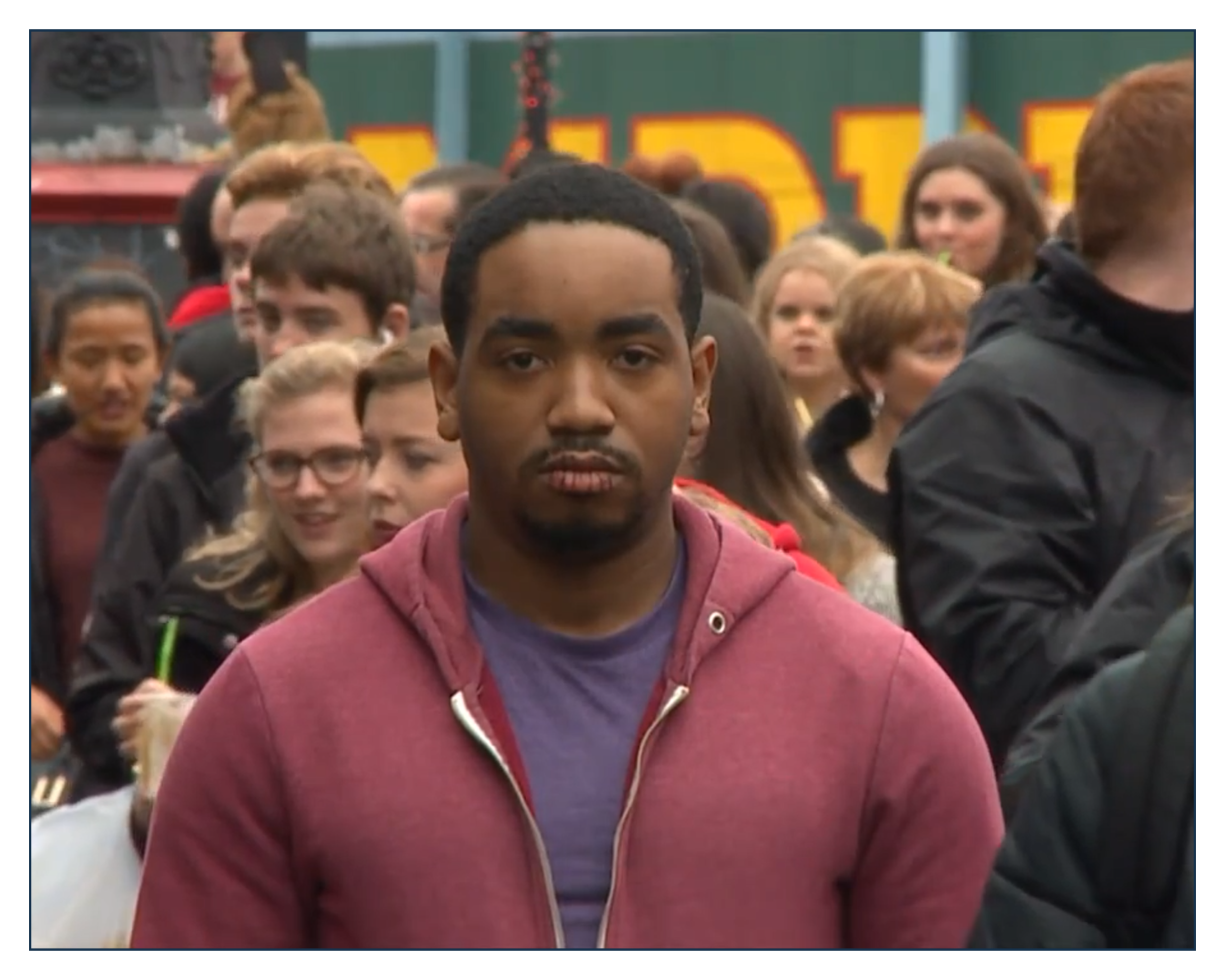
Johan Astratha Eskew’s work brings these threads into narrative form. His short film Semicolon reflects on survival, vulnerability, and the act of continuing. Through personal testimony, the film explores what it means to speak openly about mental health, particularly in the aftermath of suicidal ideation. The semicolon—often used as a symbol of continuation—becomes a visual and conceptual anchor for resilience, not as silence, but as articulation.
Together, these artists map a set of overlapping conditions: cultural stigma, masculine expectation, spatial limitation, and emotional suppression. These conditions do not exist independently; they reinforce one another, shaping how mental health is experienced, expressed, and addressed.
The central proposition of Dual Diagnosis is that mental health for Black men is not only psychological—it is spatial, cultural, and relational. To address it requires not only awareness, but transformation: of the spaces we inhabit, the identities we perform, and the permissions we give ourselves and each other to be vulnerable.
This exhibition offers no singular solution. Instead, it creates a framework for rethinking what care might look like when these conditions are made visible—and when vulnerability is not only allowed, but necessary.
-
Artists
Karrington Gardner
Johan Astratha Eskew
Marion Tisdale IV
William Paul Thomas
Administrators
Jordan T. Robinson (Curator)
Venecia Boone (Artist Liaison/Coordinator)
-
Community Health Alliance for Men’s Health Promotion (CHAMP)
The DAWN Alzheimer’ Research Project
Wake Forest University | Health Services
Artists & Exhibition
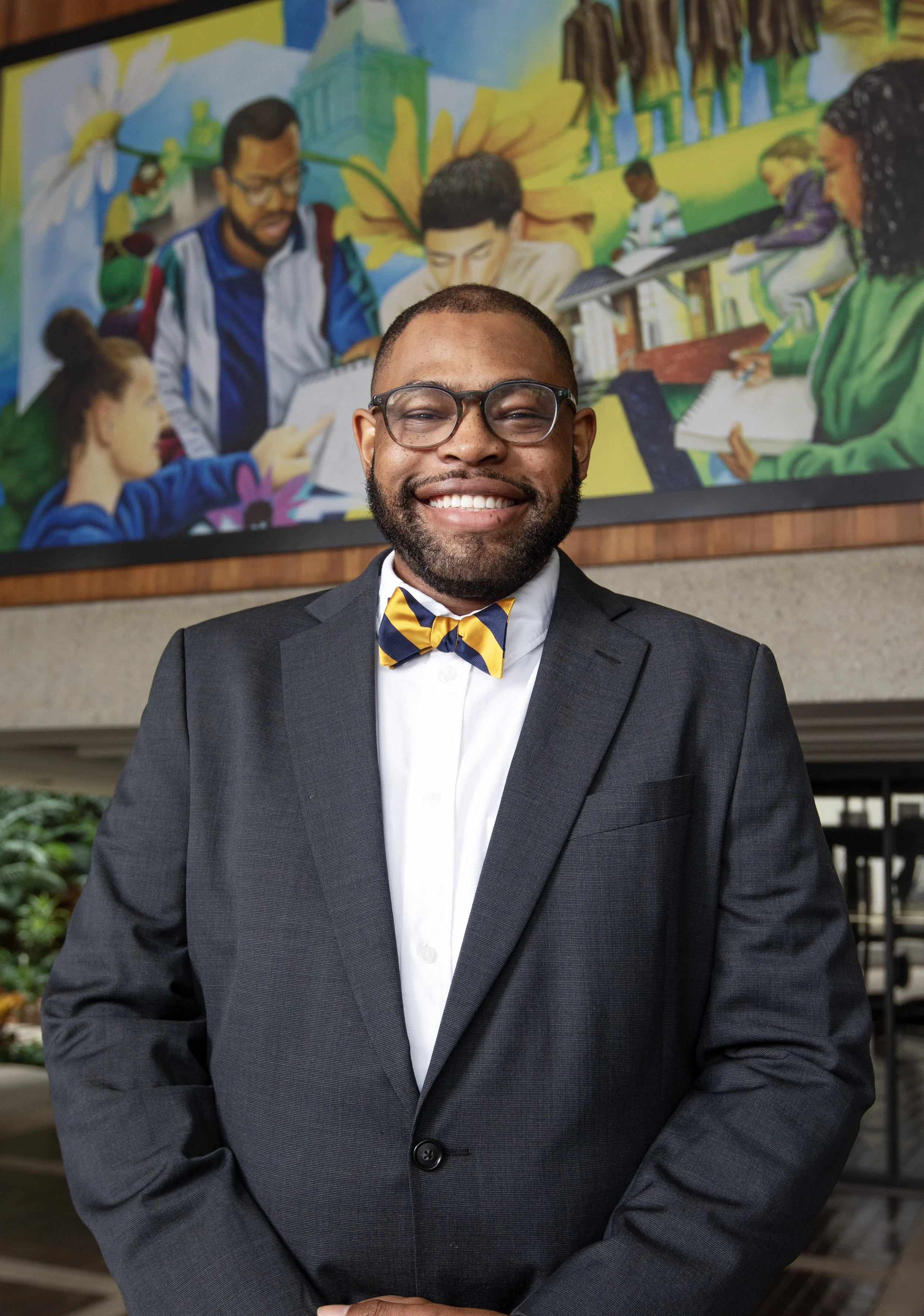
Watch the artist Talks
View the Exhibits
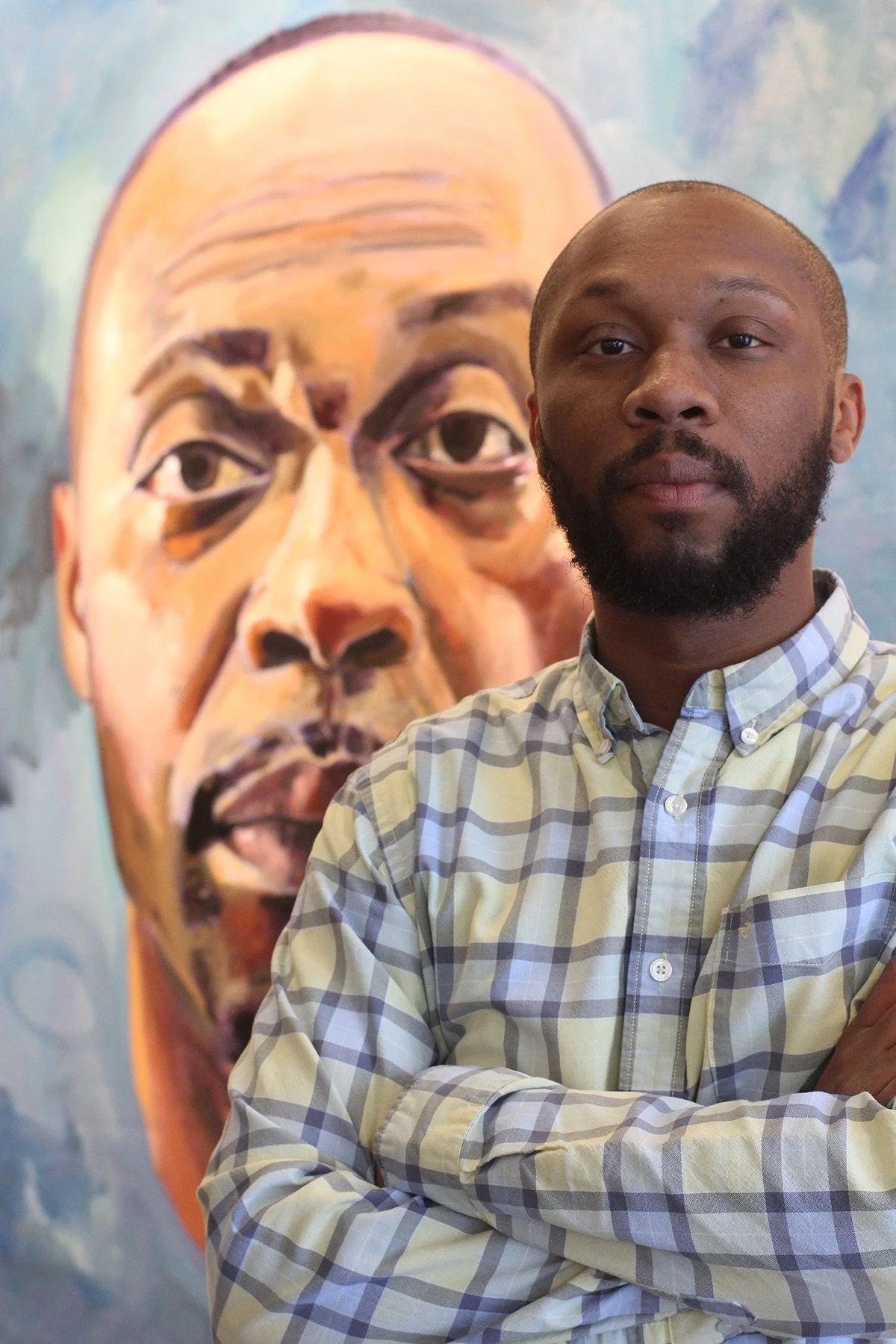
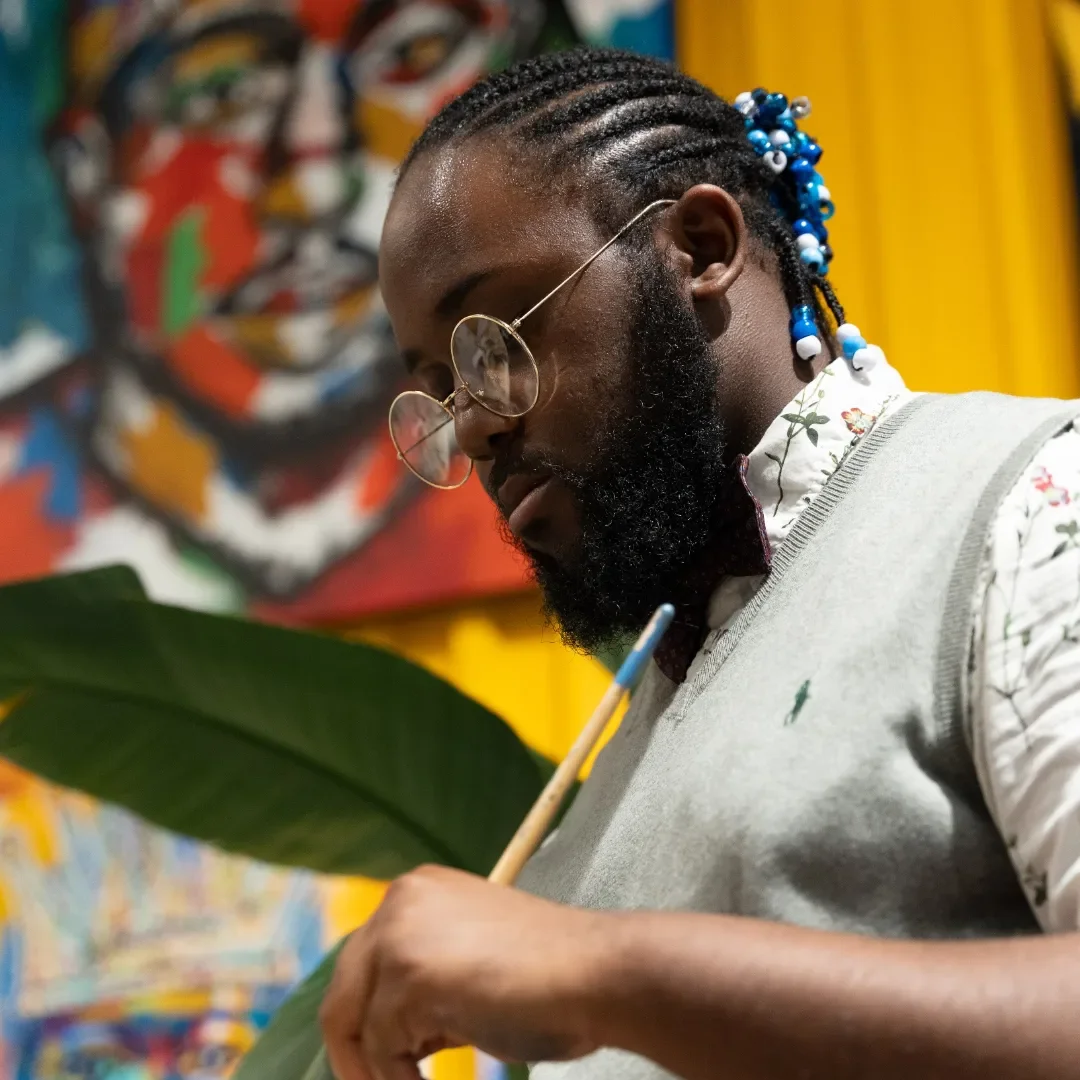
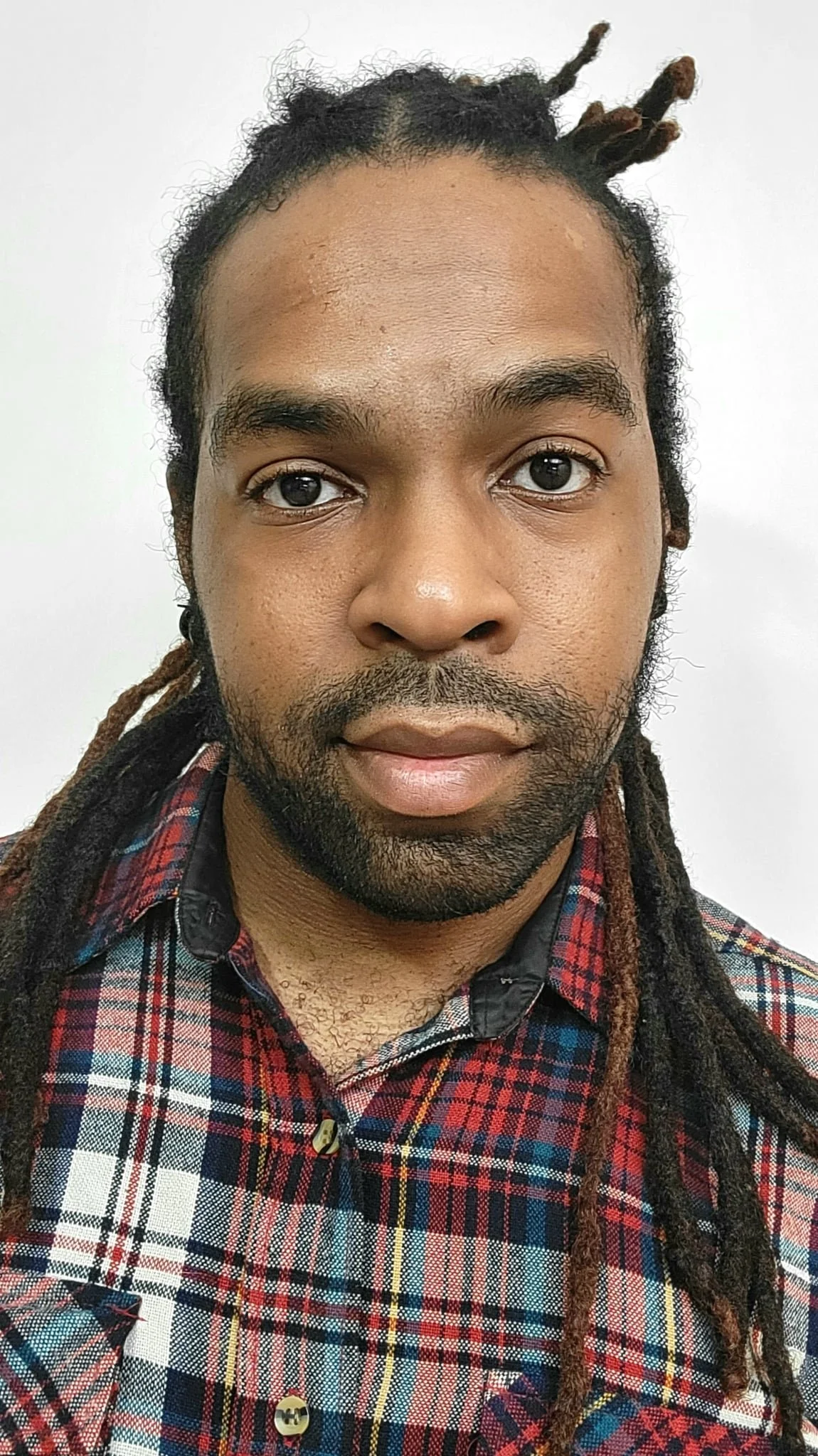
View our series of artists talks for Dual Diagnosis. Each video is an one-on-one 15-minute conversation with William, Marion, Johan and Karrington about what inspired them to make the work they made and how it relates to the topics of mental health, especially for men of color.
Content Warning: The artists talks, refer and contain themes of Suicide, Abuse, Assault, Self-Harm, Homophobia, Misogyny and Sexual Harassment. Viewer Discretion is advised.
You can visit the virtual exhibition to interact with the artwork in 3d. This was made possible through Menel.art, a platform dedicated to making immersive artistic experiences. Click the button below to enter the family friendly version of the exhibit.
Content Warning: This version of the exhibit refers and contains themes of Suicide, Abuse, Assault, Self-Harm, Homophobia, Misogyny and Sexual Harassment. Viewer Discretion is advised.
View Online Exhibition