William Paul Thomas
Discipline: Painting, Illustration,
Website: https://www.williampaulthomas.com/
Facebook:
Twitter:
Instagram: https://www.instagram.com/willart4food/
Publications:
“The Burden and Beauty of Home” WALTER April 2022
“Commissioned: The Complexion of Compassion” The Design Network, 25 Sep. 2020
"Race Relations Through Art." , WRAL, Raleigh, 5 Jun. 2020.
Zymnis, Sofia (2019, April). Cyanosis FORM, Volume XXII, pp. 36-45.
Zimmerman, Robert (2019, March 6). The Power of Representation
Buckner, Anna (2017, January 9). Artist Interview: William Paul Thomas Command Zine.
Stasio, Frank, (Host). (2016, October 25). Black on Black [Radio program] The State of Things. Durham NC: WUNC 91.5
Bellamy, C. (2016, June 16). MEANINGS OF FACES: Artist to discuss 'Mood Swings' Friday, June 17 at Power Plant Gallery. Herald-Sun, The (Durham, NC).
Bio
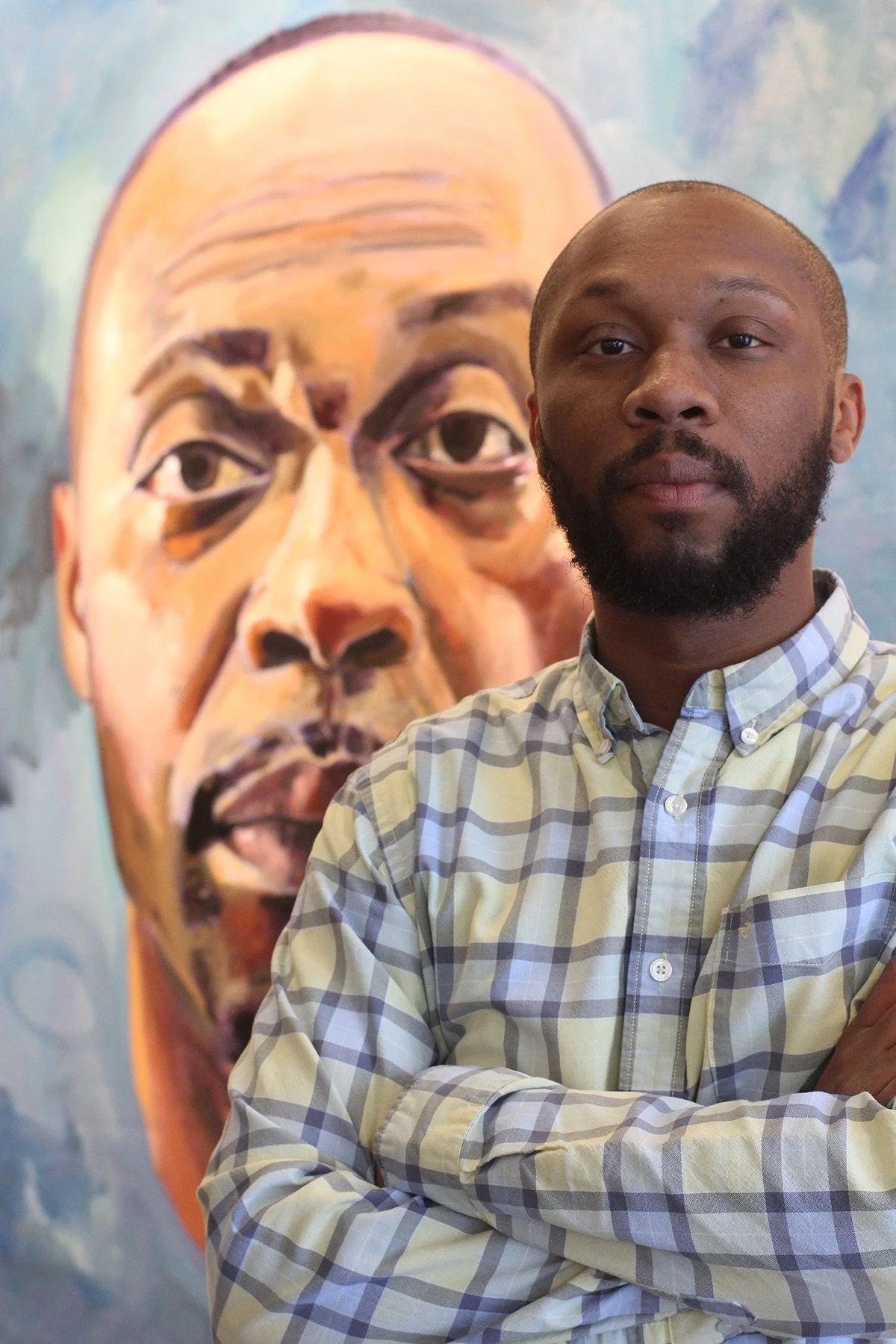
William Paul Thomas is a Durham, North Carolina–based painter and educator whose work centers on portraiture as a means of examining memory, identity, and emotional interiority. Working primarily in oil and acrylic, Thomas creates intimate depictions of individuals within his social and personal circles, transforming everyday relationships into sites of psychological and symbolic inquiry.
For more than two decades, Thomas has developed a practice rooted in close observation and lived experience, often incorporating text, color, and abstraction to complicate traditional portrait narratives. His work investigates how viewers project meaning onto the human face, using ambiguity to prompt reflection on perception, empathy, and shared emotional experience.
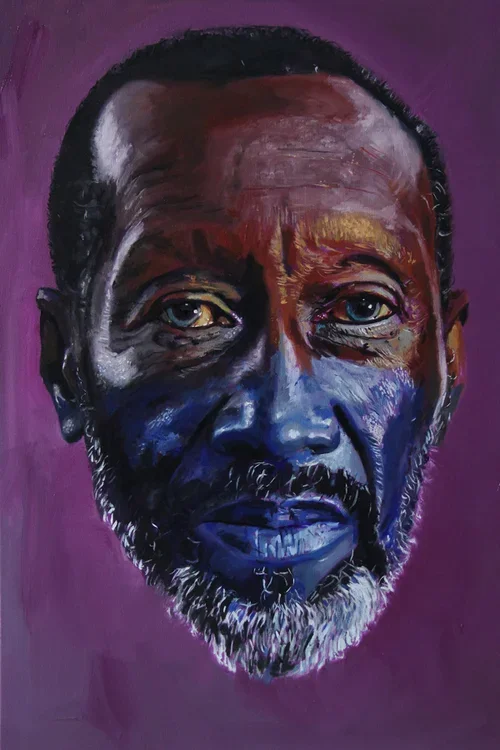
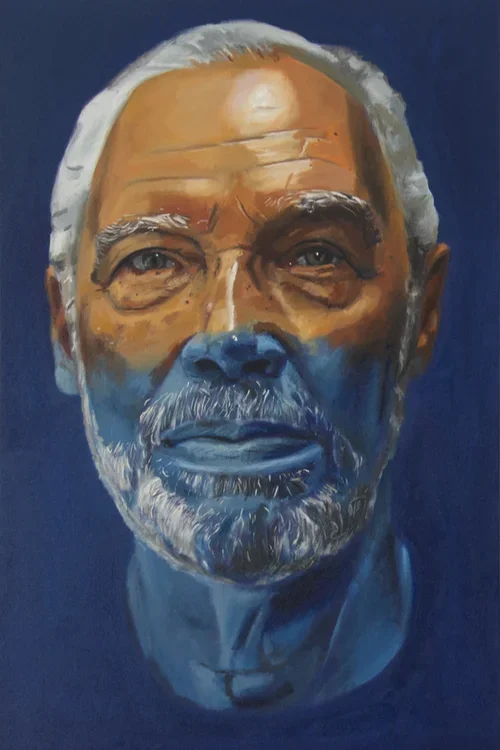
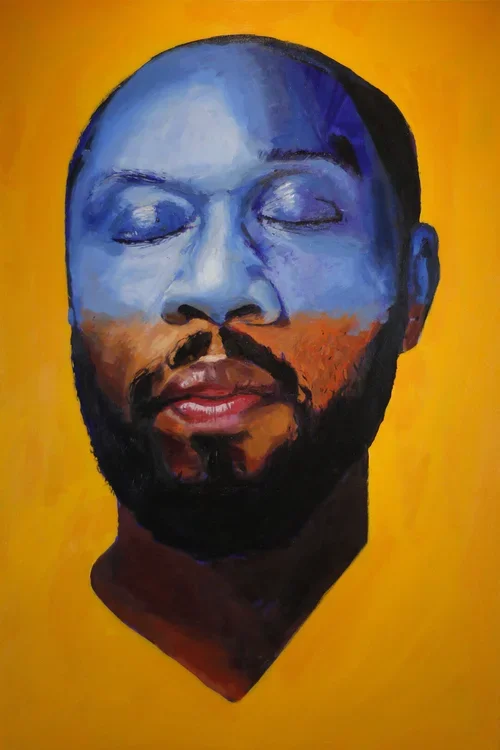
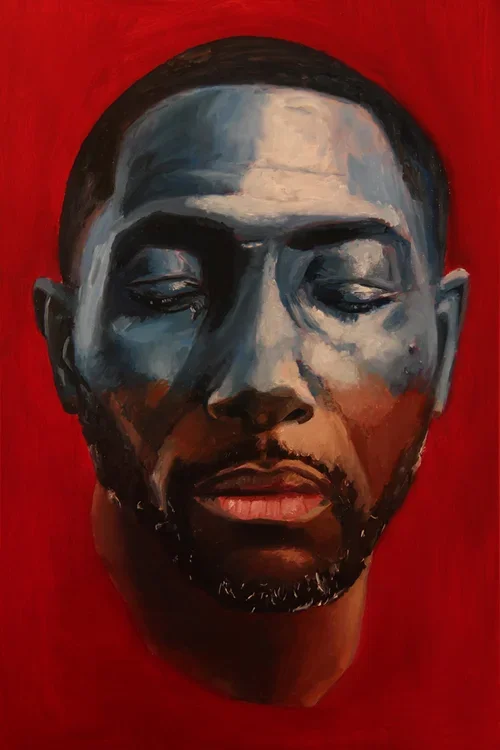
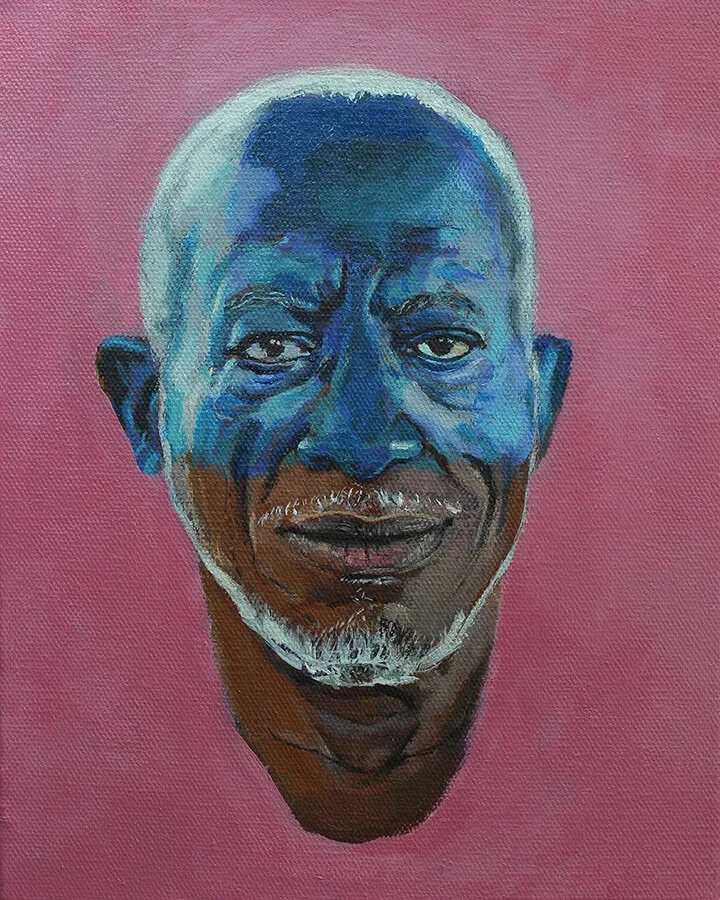
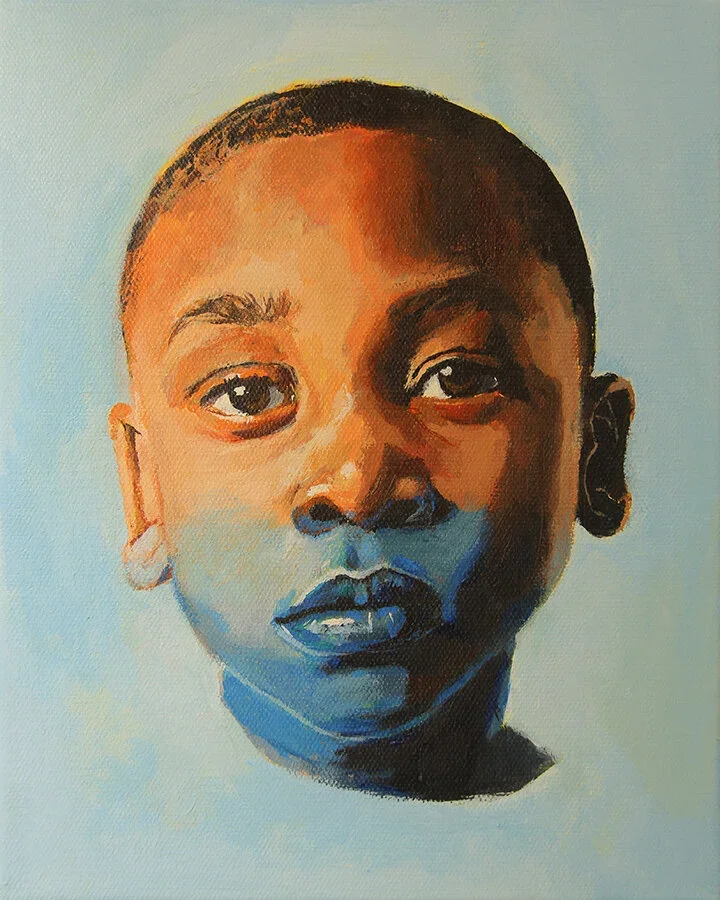
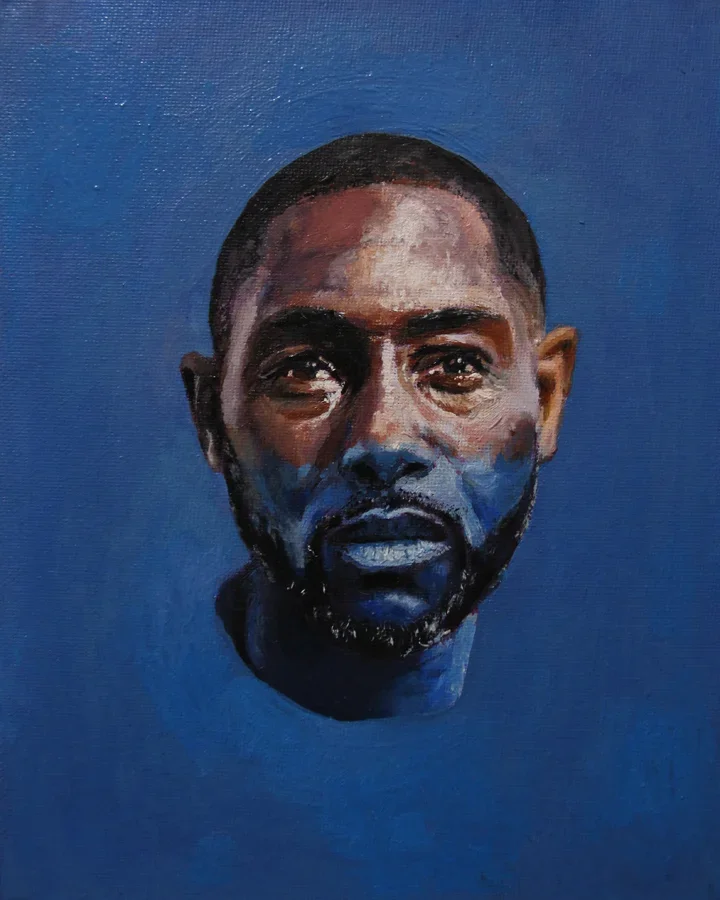
A recurring focus of Thomas’s work is the tension between outward composure and internal reality. His portrait series Cyanosis draws from the medical condition in which the body turns blue due to lack of oxygen, using it as a metaphor for emotional suppression. In these works, Thomas visualizes how unexpressed trauma, stress, and vulnerability can exist beneath the surface, particularly in contexts where cultural expectations discourage openness.
Thomas holds a Bachelor of Fine Arts from the University of Wisconsin–Whitewater and a Master of Fine Arts from the University of North Carolina at Chapel Hill. In addition to his studio practice, he is an educator, currently serving as a Visiting Assistant Professor of Painting Foundations at Guilford College.
His work has been exhibited widely across North Carolina and beyond, including at the Nasher Museum of Art, where his contributions to contemporary portraiture continue to engage audiences in dialogue around identity, care, and the complexities of human experience.
Artist Statement
I paint representations of disembodied heads of people in my social circle and sometimes scrawl text directly over their likenesses. That text is often tinged with dry humor, at times it is politically incorrect, and is regularly derived from the spoken vernacular of the communities I have lived in. My overarching goal is to share with diverse audiences what I see as worthwhile subject matter. That might include religious symbolism or popular slang. I make pictures to document select parts of my life.
Many of us have immediate psychological connections to representations of the human face. We look for similarities between ourselves and those represented; note key differences between “us” and “them.” “He looks like so-and-so.” “She reminds me of whatshername.” Assumptions or questions about the subject’s state of mind usually follow. If the expression that the subject wears is ambiguous enough, we might begin to project our own emotions onto them to interpret the painting's message.
I choose specific models as a way of recognizing their significance in my life’s path. I relish being able to honor everyday people through making images. We regularly celebrate women and men of prominence in mass media, so I take advantage of the opportunity to highlight the people that impact me on a more direct level than any untouchable celebrity or distant historical figure could. I integrate text and other symbols into the portrait work to narrow the subject matter to a certain degree and complicate the viewer’s understanding of the portrait subject’s identity. The work begins as an intimate acknowledgement of an individual and is subsequently transformed into a set of symbols poised for the viewer’s investigation.